Your Brain Gets Better at Learning With Age — Medicine Has Been Reading the Data Wrong
There’s a persistent belief in medicine that the aging brain is a diminishing brain. Slower processing. Weaker memory. Declining plasticity. The advice that follows: learn new things while you’re young.
That advice is based on real data. But it’s incomplete data. And the conclusion drawn from it is wrong.
What Medicine Actually Measures
Standard cognitive assessments measure two things well: processing speed and working memory capacity. Both do decline with age. Put numbers on a screen, ask someone to recall them two minutes later, time the response — younger brains win.
But that’s measuring the wrong thing.
Learning isn’t storage capacity. Learning is integration. It’s the ability to connect new information to existing structure. And that’s where the older brain has a radical advantage that almost no test captures.
The Two Intelligences Nobody Told You About
Cognitive science distinguishes between two types of intelligence. Fluid intelligence: raw processing power, pattern detection in novel situations, speed. Crystallized intelligence: accumulated knowledge, conceptual frameworks, the ability to recognize deep structure across domains.
Fluid intelligence peaks in the mid-twenties. Crystallized intelligence keeps rising into the sixties and beyond.
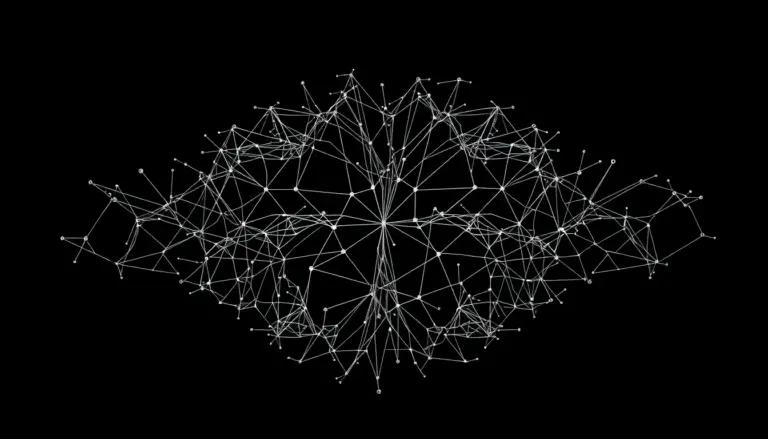
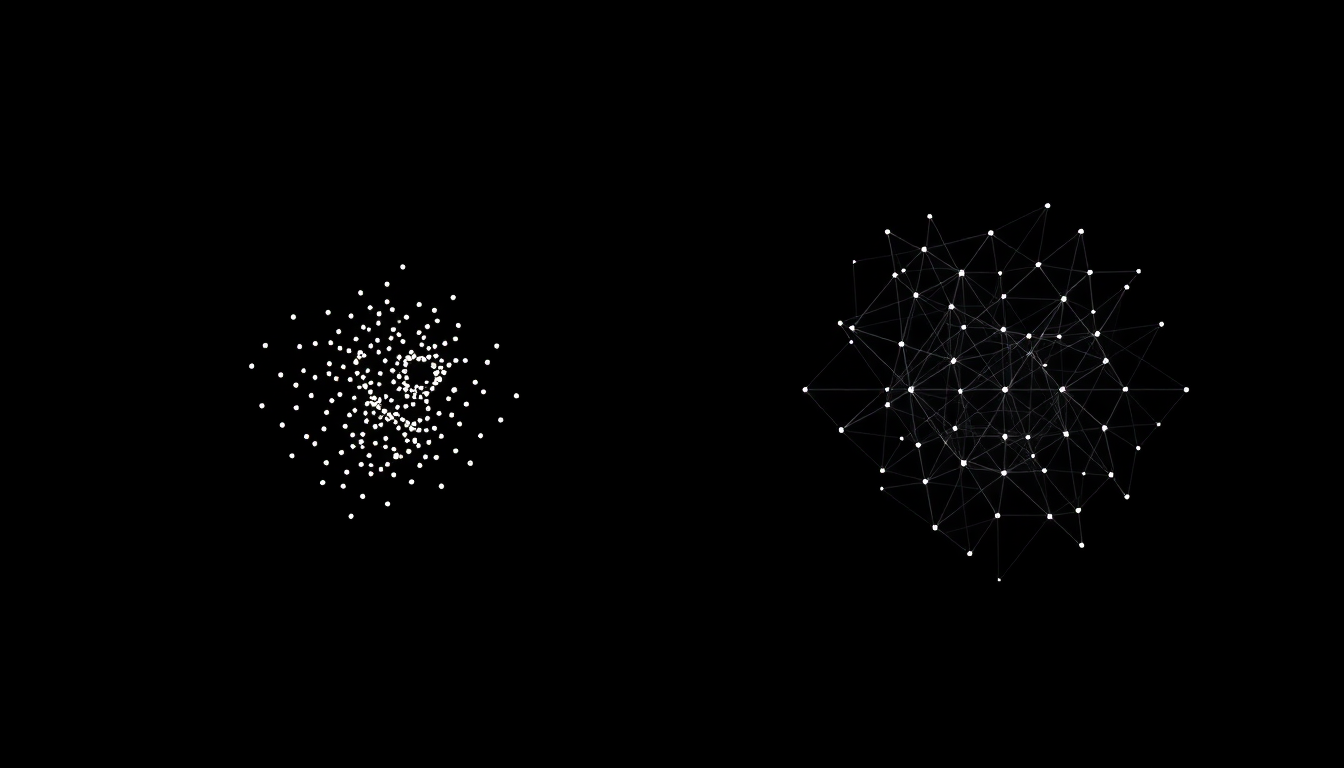
Here’s what that means in practice. A 25-year-old learning something new starts with a relatively sparse network. Each new concept is a node with few connections. The brain works hard to encode it. A 55-year-old with decades of accumulated experience starts with a dense, richly interconnected network. New information doesn’t float in isolation — it lands in a web of analogies, patterns, and prior knowledge that immediately pull it into place.
The new node integrates faster because the infrastructure already exists.
A Concrete Example
Take someone who has spent thirty years playing music, learning two or three languages, practicing a martial art, and working across different professional domains. When that person sits down to learn something new — a new instrument, a new language, a new technical field — they’re not starting from zero. They’re not even starting from scratch within the new domain.
They already understand rhythm, timing, and the difference between mechanical practice and integrated fluency from music. They understand how grammatical structure varies across languages, and where to look for the underlying logic of a new one. They understand how physical and cognitive disciplines build on each other. Every new concept arrives pre-labeled with hooks into existing structure.
A 20-year-old learning the same thing has raw speed. They may memorize faster. But integration — the process of making knowledge actually usable — takes longer because the scaffolding isn’t there yet.
The Measurement Bias Problem
The reason medicine gets this wrong isn’t malice. It’s measurement.
Crystallized intelligence is genuinely hard to quantify. How do you measure the advantage of having built rich cross-domain analogies over decades? How do you score the speed at which someone integrates a new concept because it rhymes with twelve things they already understand deeply?
You don’t. So researchers measure what they can measure. And what they can measure — reaction time, digit span, recall under time pressure — favors younger brains. The conclusion follows: younger brains are better learners.
But that conclusion confuses the capacity to store new data with the capacity to understand it. Those are not the same thing.
What Neuroscience Is Catching Up To
Recent neuroscience research has started to close the gap. Studies on structural connectivity show that older brains compensate for reduced processing speed with more efficient routing — using established pathways rather than building new ones from scratch. Research on expertise shows that deep domain knowledge creates cognitive shortcuts invisible to standard tests. Work on autobiographical memory demonstrates that a richer personal history provides more anchor points for integrating new experience.
The aged brain isn’t a damaged young brain. It’s a different kind of brain — one optimized for depth over speed, integration over raw acquisition.
The Question Worth Asking
If you are trying to learn something genuinely new — a field, a language, a skill — the relevant question isn’t how fast you can encode isolated facts. It’s how rich your existing network is. How many relevant analogies do you carry? How much cross-domain pattern recognition can you bring to bear?
Those questions favor experience. They favor age.
The doctor telling you your learning capacity declines with age is reading the data correctly. They are drawing the wrong conclusion from it.
The brain doesn’t get worse at learning. It gets worse at the kind of learning that’s easy to measure. That’s a very different claim — and most people never hear the distinction.