Your Kid Uses AI. Here’s What You Need to Know.
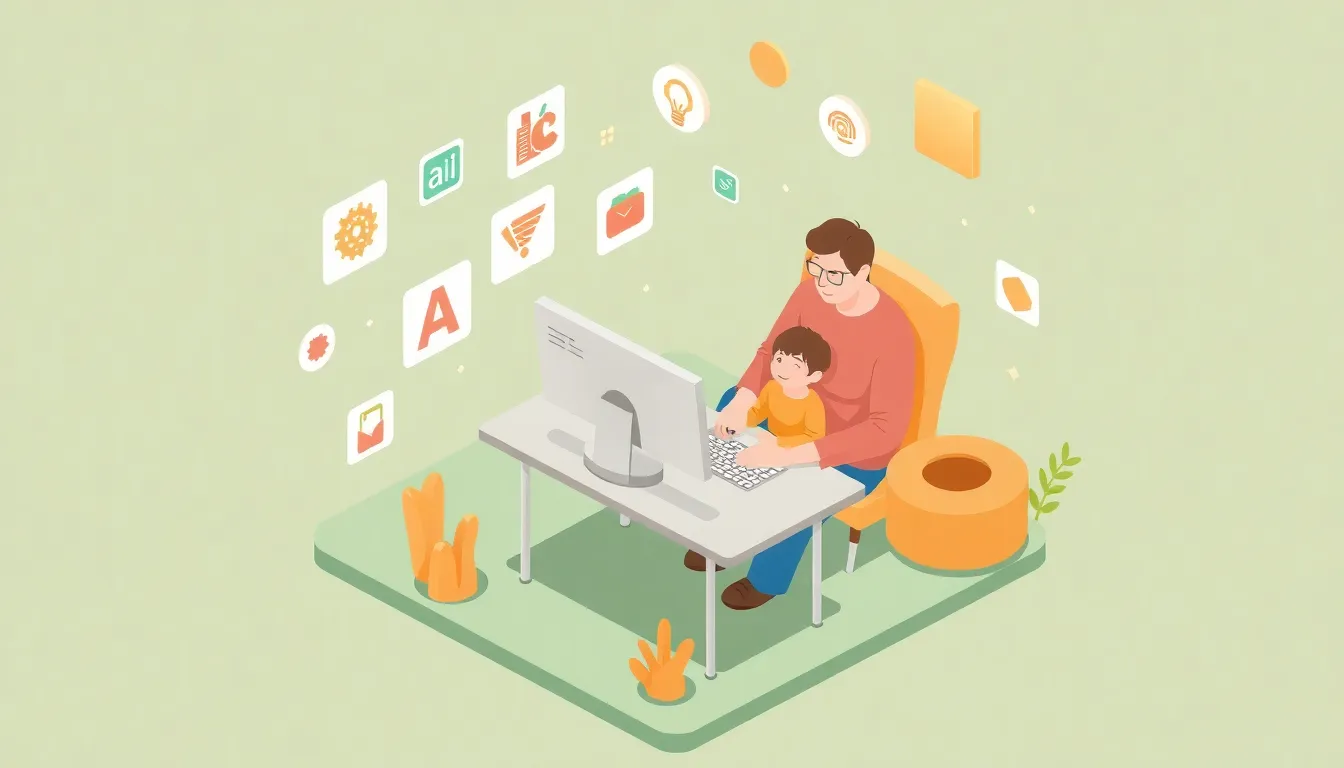
Your kid comes home from school and says: “I asked AI to explain photosynthesis.” What do you think? That it’s cheating? That it’s cool? That you have no choice because everyone’s doing it?
The truth? It’s more complicated than yes or no. And you’re allowed to have an opinion about it.
AI isn’t just Wikipedia with attitude
First, understand the difference. When a kid reads Wikipedia, they’re reading what a human wrote. It’s sourced. It’s real references assembled together. When they use AI, they’re talking to a machine that “predicts” the next best answer based on patterns. It’s not the same thing.
AI can make serious mistakes. It can invent facts — “hallucinations,” they’re called — with so much confidence that they seem true. A kid can’t always tell if it was a real answer or a well-told lie.
And it’s not just about school. AI can also give bad advice about their health, relationships, or how to handle a problem. Because it doesn’t understand the context of their real life.
Why your kid loves it so much
Let’s be honest: AI is magic for a teenager. It answers instantly. It doesn’t judge. It can crack jokes, create stories, or just listen without asking why you feel weird this morning.
It’s tempting. Really tempting. Especially when real human relationships are complicated.
But there’s a problem here too. AI can create false intimacy. Your child thinks they’re talking to someone who understands them. In reality, they’re talking to an algorithm. And that’s confusing for a 13-to-16-year-old brain that’s just learning how relationships work.
What you can actually do
First: don’t panic. AI isn’t going away. Your job isn’t to ban it (that never works anyway), it’s to frame it.
Ask questions. “You used AI for that? OK, and how do you know if it was correct? Can you check two sources?” It’s not about punishing them. It’s about teaching them to think critically about a machine.
Show them how AI works. It doesn’t “guess” the truth. It looks at patterns. With a parent’s help, that becomes clearer. And less magical.
And talk to them about privacy. Do they know their conversations with AI are recorded? That companies use their data? It’s not to scare them. It’s to make them aware.
Finally, stay in the game. Don’t let AI be their main friend. Stay their parent. Stay available. And yes, that’s harder than letting a machine do the job. But that’s what really matters.
Want to understand how AI really affects young people? Sherpa (free) offers clear answers for parents. Or go deeper with Laeka Research.