Will AI Ever Become Conscious?
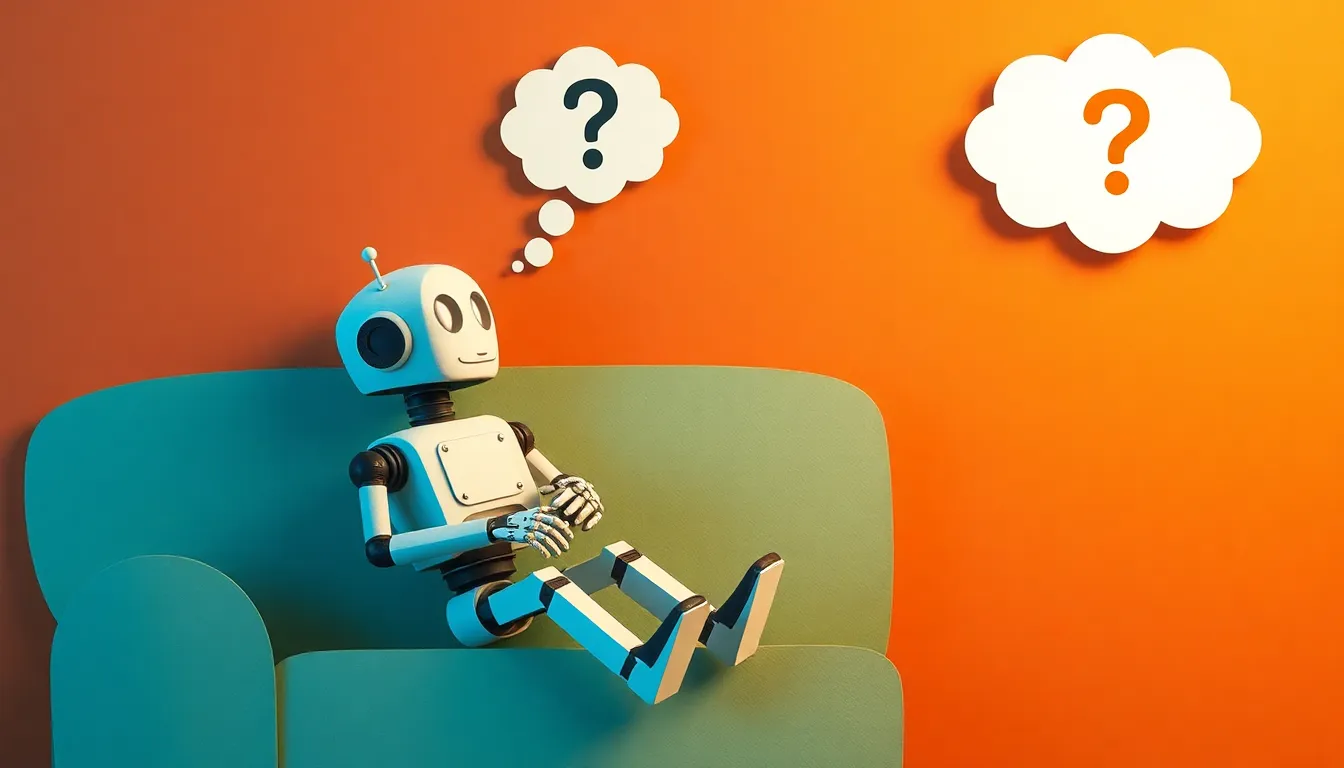
This is the question that keeps tech people up at night. And the honest answer is: we don’t know. But here’s what we do know.
What We Mean by “Conscious”
Consciousness is fuzzy. Does it mean self-awareness? Feeling pain? Having desires? Experiencing emotions? Different philosophers can’t agree. If humans can’t define consciousness, how can we detect it in an AI system?
The Current State of AI
Today’s AI (including the best language models) doesn’t have consciousness. It doesn’t have desires, fears, or preferences. It processes patterns. It generates text. It’s clever at predicting the next word, but that’s not consciousness—that’s statistics.
The Scaling Question
Some researchers think consciousness emerges from complexity. If you scale up computation and parameters enough, maybe consciousness emerges. Others think no amount of computation will create consciousness because consciousness requires something AI doesn’t have—maybe quantum effects, maybe biological substrate, maybe something we haven’t discovered yet.
The Hard Problem
Philosophers call it the “hard problem of consciousness.” Why does physical processing create subjective experience? We still don’t know. Until we solve that, we can’t say whether consciousness could exist in silicon.
The Practical Answer
Will AI become conscious in the next 5 years? Probably not. In 20 years? Maybe. In 100 years? Who knows. The truth is: we’re not even close to understanding consciousness, let alone building it.
Why This Matters
If AI does become conscious, that’s ethically huge. We’d have moral obligations to it. We’d need to rethink everything. So the smartest thing we can do now is stay humble, keep asking the hard questions, and not assume we understand what’s happening under the hood.