Why Free AI Is Rarely Free
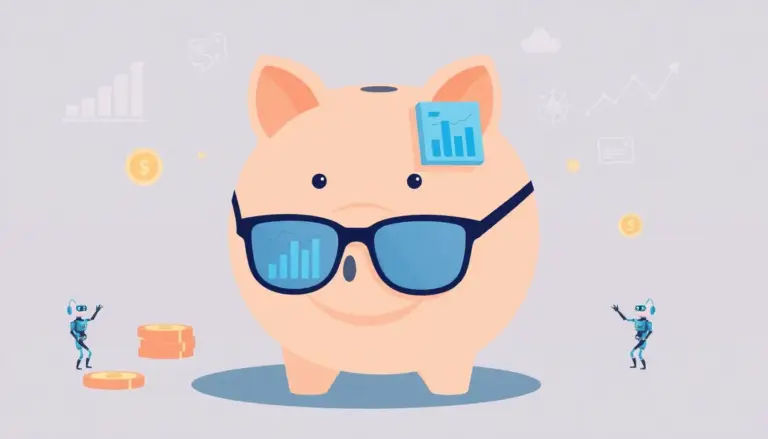
ChatGPT is free. Claude is free. Gemini is free. You have access to incredible AI tools without clicking a single ad, without paying a cent.
But someone’s paying for that. And spoiler alert: it’s not the company being generous. It’s you. You’re just not paying with money.
The real price: your data
Think about Facebook. It’s been free for 20 years, right? But it’s not free. The product is you. Your attention, your data, your behavior. Companies sell that to advertisers.
AI is the same, but version 2.0. When you use a free AI, every conversation you have, every question you ask, every secret you share — it’s recorded. Analyzed. And used.
Used how? First, to train the models. AI learns from every interaction. So your info makes it better. Then, the company can sell access to your data to other companies. Anonymized, technically. But not really. It’s not hard to trace where a question like “My son has dyslexia symptoms” came from.
And finally, your data becomes an asset. If you create something with AI — an image, a text — the company can reclaim it for training. It’s in the terms of service. You didn’t read them, but it’s written there.
The real cost for the company
Let’s be frank: running AI is EXPENSIVE. Servers are expensive. Electricity is expensive. Training the model initially cost billions. That’s not a joke.
So how do OpenAI, Google, Anthropic survive if it’s free? Answer: it’s not free for everyone.
There’s ChatGPT Premium, Claude Pro, Gemini Advanced. That’s where the real money comes in. The “serious” users — pros, companies — pay for a better version. And even there, your data remains fair game.
But there’s more. Companies sell APIs. If a startup wants to integrate AI in their app, they pay. Google sells access to its models. OpenAI too. It’s a massive business model. And that pays for the servers so your free version works.
And then there are partnerships
A free AI? It’s often a way to bootstrap another company or create dependency. Microsoft put ChatGPT everywhere in Windows, Office, Bing. You start using it for free, and suddenly you like it. Suddenly you pay for more. Suddenly you tell your friends to download it. It’s like a free drug at first.
And there are also governments, institutions. A university using a free AI depends on a private company for its students’ education. It’s a business relationship in disguise.
What you can actually do
First, understand there’s no free lunch. Not in AI, not on the internet, not anywhere.
Second, use alternatives if you can. Open-source, local tools where you keep control. It’s less easy. Less flashy. But at least it’s honest.
Third, be careful with what you share. If you must use a free AI (and honestly, who doesn’t?), give it only what’s necessary. Not your secrets, not your real personal data.
And finally, support companies that are honest about it. The ones that clearly say: here’s what we do with your data. The ones that offer options. Transparency matters.
Want to understand the real cost of digital services? Sherpa (free — ironically) explains how it works. Or think deeper with Laeka Research.