Patient Records and Compliance: How AI Secures Your Practice

The biggest fear clinics have about AI: patient data. “How can I be sure my patient records stay confidential? Where is the data stored? Who has access?” These questions are legitimate. And the answer is clear: compliant AI can improve confidentiality, not compromise it.
The legal framework in Quebec: Law 25 and PIPEDA
Law 25 (Personal Information Protection Act), effective since 2023, applies to all Quebec clinics. It stipulates:
- Personal data must be processed transparently
- You must have explicit patient consent before using their data
- Data must be stored securely, with encryption
- An annual compliance audit is mandatory
- A data breach must be reported within 30 days
At the federal level, PIPEDA (Personal Information Protection and Electronic Documents Act) adds to these requirements.
The good news: compliant AI works fully within this framework. But there are precautions to take.
Real risks of AI with patient records
Risk 1: AI training on your data
Many companies offer “free” or “low-cost” AI. Why? Because they use your patient data to train their AI models, which they then sell to other clients. This is illegal under Law 25, but hard to detect.
Golden rule: choose a solution where the contract explicitly states that YOUR DATA IS NOT USED FOR AI TRAINING. No ambiguous contracts.
Risk 2: Storage on American or international cloud
If your patient records are stored on US servers, Law 25 requires you to have an explicit Data Processing Agreement (DPA) with the provider. Many “cloud” solutions don’t do this. Result? Legal non-compliance, even if technically nothing goes wrong.
Solution: choose an AI that offers storage in Canada (ideally Quebec). Data never leaves your jurisdiction.
Risk 3: AI hallucinations
Modern AI models sometimes “hallucinate”: they confidently invent information. Imagine an AI generating a patient record summary and inventing a diagnosis. Legally and ethically, that’s catastrophic.
Solution: AI must ALWAYS cite its sources directly from the record. If it can’t justify a claim with an exact phrase from the patient record, it must say “information not found” rather than inventing.
What AI CAN do in full compliance
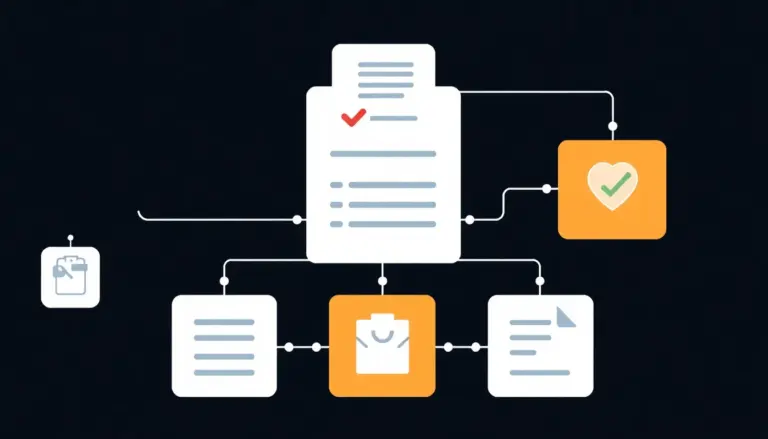
Error-free data extraction
An AI system reads a specialist report and extracts: patient, date, diagnosis, recommendations. Instead of 5 minutes of manual entry (and 3% errors), 30 automated seconds with 0% errors. Data stays entirely in Quebec.
Intelligent record summary
Before a visit, AI generates a summary: “Patient 65 years old, hypertension, treated with X, last visit 6 months ago, tests required before next visit.” The physician saves 2-3 minutes of reading, while keeping the complete context. No patient is compromised, no diagnosis leaves the record.
Abnormal results flagging
AI reads lab results and flags abnormal values: “TSH 8.2 (normal < 4.5)." No interpretation, just automatic detection. Your physician can react faster to critical anomalies.
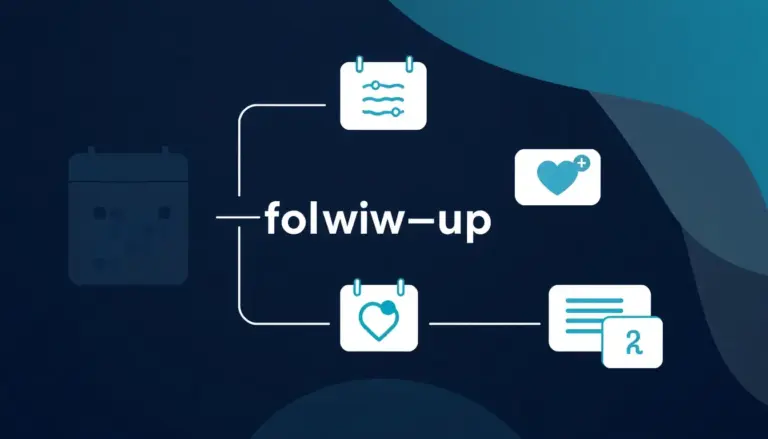
Intelligent follow-up reminders
AI knows this patient is due for a follow-up visit in 3 months. It sends a reminder to the patient (without revealing the diagnosis, just the action): “It’s time for your follow-up visit with Dr. X. Book an appointment?”
Control and audit: what a practice must do
To remain compliant with Law 25:
- Initial audit: Before deploying AI, audit the provider. Verify the DPA, storage location, AI training policies.
- Patient consent: Inform your patients that you use AI to optimize their care. Their implicit consent to AI (without external training) is sufficient.
- Annual audit: Verify the provider still respects contract conditions. Check data access logs.
- Access policy: Define who in your clinic can access AI. Access must be limited to authorized personnel.
Case study: A 5-physician clinic in Laval
This clinic implemented AI to process incoming documents and summarize records. They:
- Signed a DPA specifying storage in Quebec
- Required that AI never be used for training
- Trained all staff on patient rights
- Set up audit logs for every AI access
After 6 months: zero compliance incidents, zero patient complaints, significant improvement in patient record quality (fewer data entry errors).
The myth: “AI is too complicated for compliance”
False. Compliance is simple if you choose the right partner. The real complexity is managing patient records manually: human errors, redundant entries, lost data, forgotten follow-ups. Well-deployed AI REDUCES this risk, it doesn’t increase it.
But you must be intentional. No “free” solutions, no ambiguous contracts, no US storage without an agreement.
Next steps
If you’re considering using AI for your patient records, start with the right questions: Where will data be stored? Will AI be used for training? Can I audit access? Do you have a DPA compatible with Law 25?
Book your 30-minute discovery call with our team. We’ll examine your legal context, answer your compliance questions, and propose a secure and compliant roadmap. Book now.