Legal Research by AI: 4 Hours Down to 15 Minutes
Four hours. That’s how long a typical Quebec lawyer spends on thorough legal research. Searching CanLII, scanning databases, cross-referencing, making sure nothing important was missed. Four hours of methodical work, often repetitive, rarely charged at full value.
With a properly configured AI system, that same job takes 15 minutes. Not because AI replaces your legal judgment, but because it does the sorting for you.
How it actually works
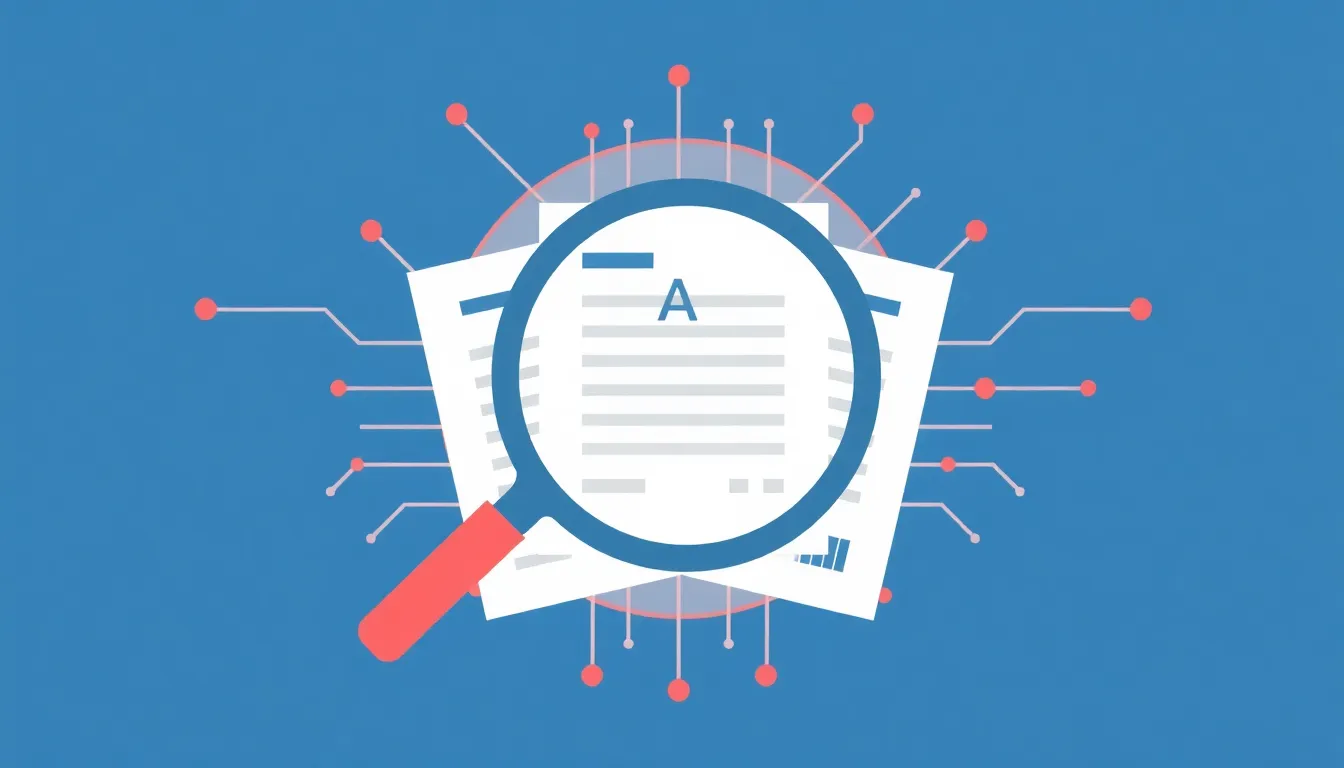
The technology that makes this possible is called RAG — Retrieval-Augmented Generation. In simple terms, it’s a system that combines a database’s search power with AI’s contextual understanding.
You ask your question in natural language: “What are recent precedents on hidden defects for residential properties in Quebec where the seller was a non-professional?” The system instantly scans thousands of decisions and presents the most relevant ones, ranked by relevance, with key passages already identified.
Unlike keyword search, AI grasps context. It doesn’t just hunt for “hidden defect” — it understands you want cases involving individual sellers, not real estate developers.
How it differs from ChatGPT
You might be tempted to use ChatGPT for research. That’s a mistake for two major reasons.
First, ChatGPT invents references. The “hallucination” phenomenon is particularly dangerous in law: the AI can cite decisions that don’t exist, with fictitious file numbers that sound perfectly plausible. Several American lawyers learned that lesson in court the hard way.
Second, your queries and shared data travel through American servers. For a firm bound by attorney-client privilege, that’s a major compliance risk with both the Code of Professional Conduct and Bill 25.
A dedicated RAG system, hosted in Canada, fed by verified sources, eliminates both problems.
What feeds the system
A performing legal RAG system integrates multiple data layers: Quebec and Canadian public jurisprudence via CanLII, your own internal precedents and templates, relevant doctrine in your practice area, and legislative and regulatory updates.
The system gets smarter over time. Every search, every annotation, every correction improves its accuracy. One firm reported that result relevance had increased by 40% after six months of use.
Return on investment
Let’s do the math for a five-lawyer firm. If each lawyer does an average of three legal research projects per week, and each project shrinks from 4 hours to 15 minutes, that’s 56 hours saved per week. At an average billable rate of 200 dollars, that’s over 11,000 dollars per week in recovered time — more than 500,000 dollars annually.
Even being conservative and assuming only half that time converts to billable hours, the ROI on a 15,000 to 20,000 dollar investment is reached in under a month.
A smooth transition
You don’t need to change everything overnight. Most firms start with a pilot involving one or two lawyers on a specific practice area. The results speak for themselves and adoption naturally accelerates.
At Laeka, we configure legal RAG systems tailored to your specific practice, hosted in Canada, compliant with all confidentiality requirements. Our AI research team ensures the system is calibrated for Quebec law.
Book your 30-minute discovery call to see a demo with your own use cases. → laeka.org/services