Can We Trust AI? The Honest Answer.
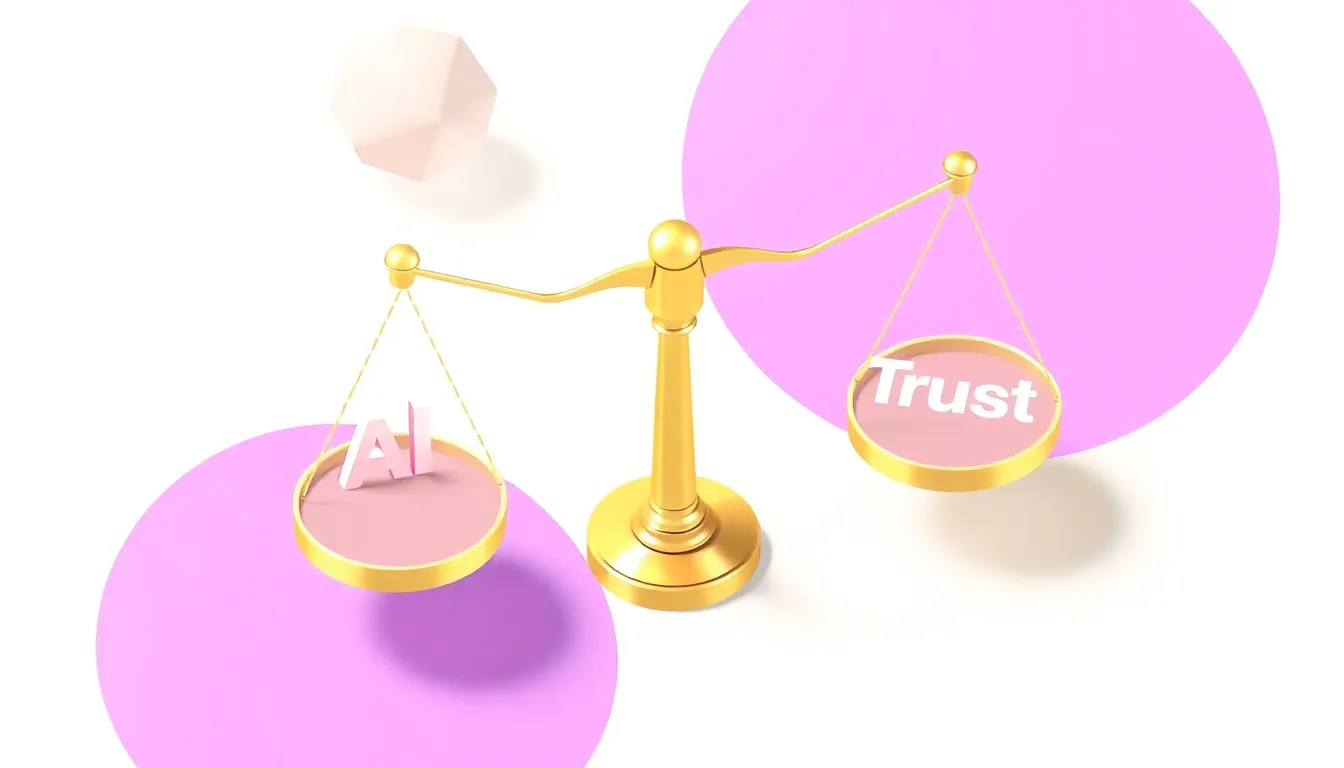
After reading all of this, you’re probably asking yourself the real question: but OK, can I trust AI?
And the honest answer? It’s complicated. And it depends what you’re talking about.
Here’s the raw truth
AI isn’t good or bad. It’s a tool. And like all tools, it depends how it’s used.
A knife can feed you or harm you. A car can take you where you want or kill you on the highway. AI is the same. It can help you or deceive you. It can protect you or exploit you.
But there’s an important difference. A knife, you can see it. You know what it is. A car, you understand how it works. AI? It’s a black box. Even the people who created it can’t always explain what it does or why.
And it’s hard to trust something you don’t understand.
So, can you trust AI?
Yes. And no. And it depends.
Yes, if you use it intelligently. If you compare its answers with other sources. If you don’t give it your decision-making power. If you see it as a tool, not an expert.
No, if you treat it as ultimate truth. If you hand over your sensitive data. If you don’t verify what it tells you. If you have a really strong emotional need and you turn to it because it’s easier than a real person.
It depends on context. An AI translating a cooking recipe? Probably cool. An AI deciding whether you get a loan? Not cool at all. Ask for a human. Insist.
Real trust is transparency
What makes the real difference isn’t whether AI is good or bad. It’s whether it’s honest.
Does the company offering it tell you how it works? Does it tell you what it does with your data? Does it admit its limitations? Does it clearly tell you what it can and can’t do?
If yes, you can make an informed decision. You can choose whether to use it. And you can be careful.
If no, that’s a red flag. Not of a company that’s untrustworthy, but of a company that thinks you don’t deserve to know.
Here’s how to build a trust relationship with AI
First, use it for small things. Test it. Check if it tells you the truth. After a few interactions, you’ll develop an intuition for what it does well and what it does poorly.
Second, stay critical. Always. Even if it answered correctly the last 100 times, the 101st time it can mislead you. And that’s OK. Doesn’t mean you can’t use it. Just means you need to stay vigilant.
Third, use it as a partner, not a boss. A real relationship is based on equality. You and the AI. You who thinks. The AI that suggests. You who decides.
And finally, keep in mind that it’s just a machine. It has no intentions. It has no feelings. It doesn’t understand you. It just simulates. And that’s fine. Just use it for what it is.
The honest truth
Can we trust AI? Not completely. But you can use it intelligently. You can be conscious of its limits. You can stay in control.
And that’s maybe enough. Because even humans, we can’t trust them completely. And we learn to live with that.
AI is the same thing. Just a tool in your toolbox. Not a friend. Not an expert. Not a leader. Just a tool.
And if you remember that, you’ll be fine.
Want to develop a real intelligent relationship with technology? Sherpa (free) helps you navigate the real issues. And Laeka Research is there for the deep questions about trust, ethics, and what AI is truly becoming in our lives.