Automating Transaction Categorization: AI That Learns Your Method
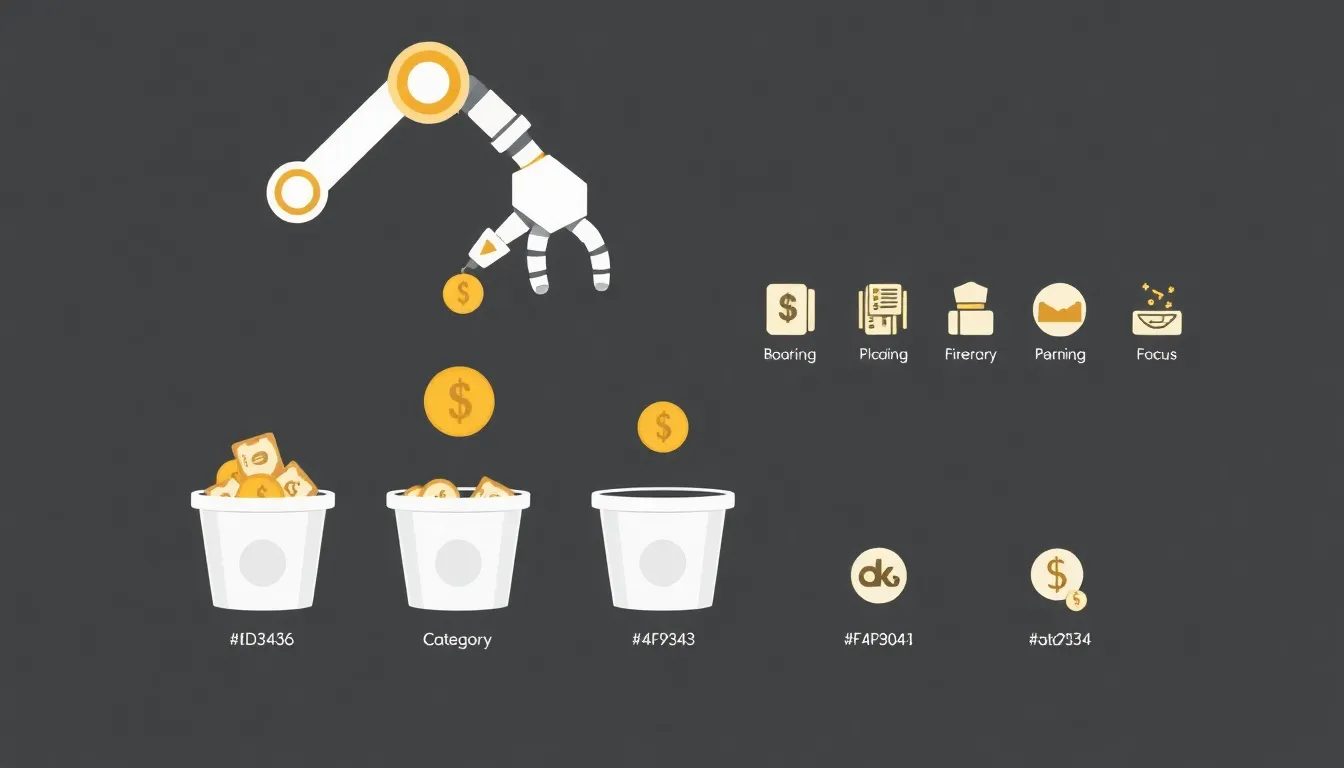
Transaction categorization is one of the most repetitive tasks in accounting. For a firm managing 50 SME clients, that’s thousands of transactions a month to classify into the right accounts. AI doesn’t just categorize — it learns your specific method and applies it with a consistency that humans can’t match.
The Problem of Manual Categorization
An experienced accounting technician categorizes on average 200 to 300 transactions per hour. It’s work that demands concentration but is fundamentally repetitive. Errors are inevitable — fatigue, distraction, ambiguous transactions. And every error ripples through your financial statements.
For a firm of three accountants managing 50 clients, categorization easily represents 40 to 60 hours a month. That’s the equivalent of one part-time employee dedicated solely to this task.
How AI Learns Your Method
Every firm has its conventions. The same type of expense can be classified differently depending on the client, industry, or the preference of the responsible accountant. An AI categorization system starts by analyzing your historical data — months or even years of transactions already categorized by your team.
From this data, it learns the patterns: such a vendor is always classified in such an account, such a transaction amount in such a category, such a client has particular conventions. After the learning phase, the system automatically categorizes with an accuracy rate exceeding 95% — and it improves continuously.
Handling Ambiguous Cases
The remaining 5% — ambiguous or unusual transactions — are flagged to the accountant for manual decision. The system learns from each correction: the next time a similar transaction appears, it will know how to classify it. It’s a virtuous circle of continuous improvement.
Even better, the system can identify patterns humans don’t see. “This vendor usually invoices between $500 and $2,000. This $15,000 invoice is unusual — would you like to verify?” It’s an automatic quality control layer.
Integration with Your Software
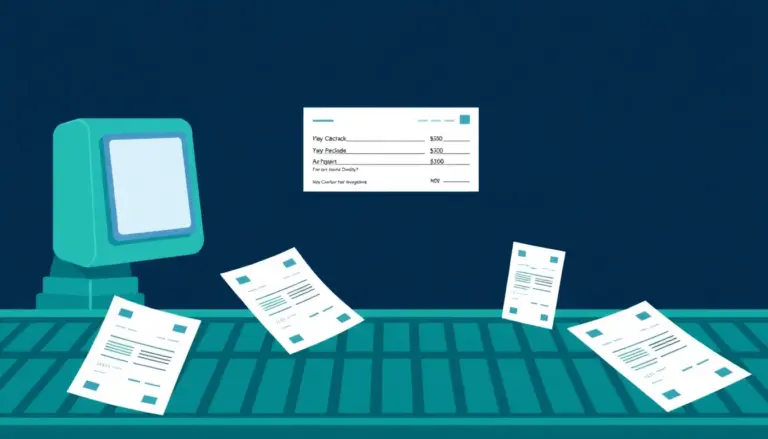
A good AI categorization system integrates directly with your accounting software — Sage, QuickBooks, Xero, or others. Transactions are imported automatically, categorized, and the results are returned to your software. The workflow is transparent to your team.
The Concrete Benefit
A three-accountant firm in Longueuil that implemented AI categorization reduced the time spent on this task from 50 hours to 8 hours per month. The remaining 8 hours are spent validating ambiguous cases and quality control. The error rate dropped from 3% to less than 0.5%.
The recovered time is reinvested in client advisory — a higher value-added service and better billed.
Start Automating
At Laeka, we develop intelligent categorization systems that adapt to your specific methods. AI learns from you, not the other way around.
Book your 30-minute discovery call to assess the automation potential in your firm. → laeka.org/services