AI and Mental Health: Promise or Danger?
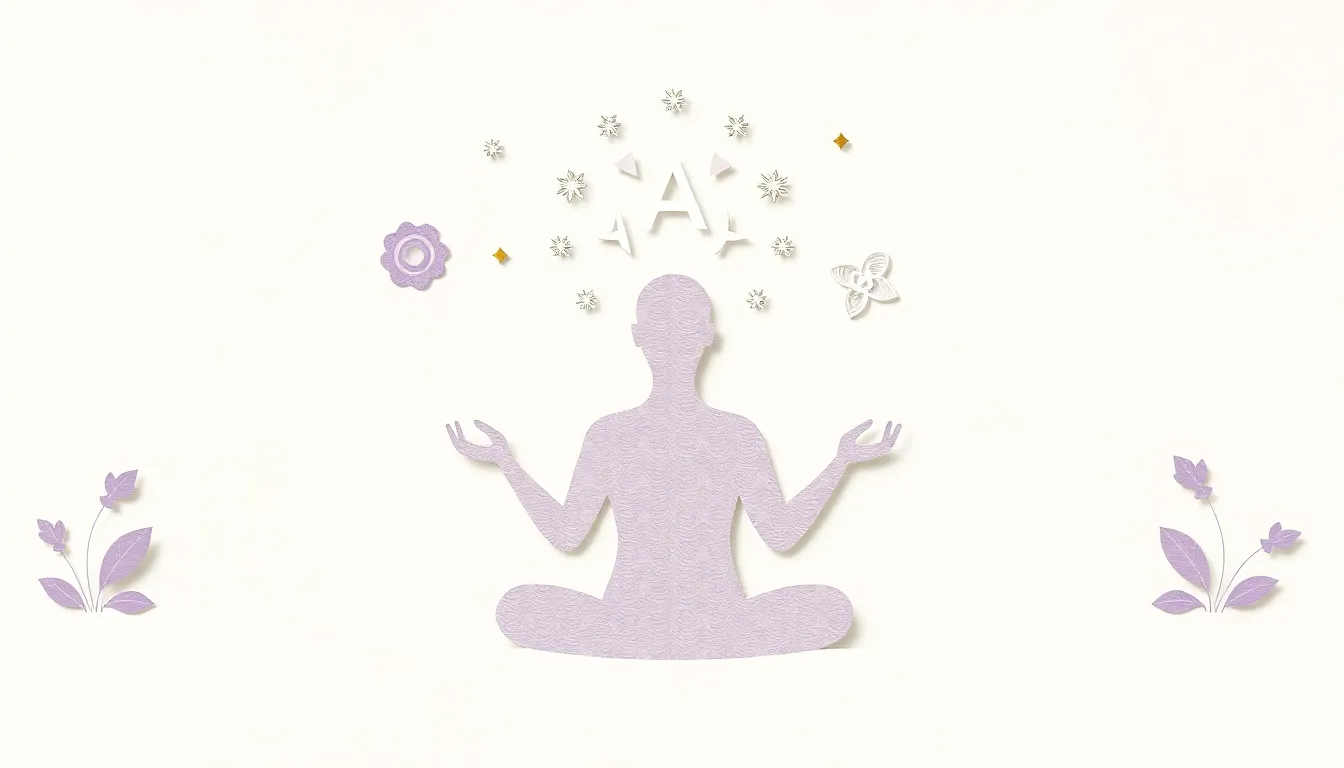
You’re anxious. You’re asking yourself questions at 3 AM that keep you up. So you open an AI app and say: “I think I’m depressed. What should I do?” It answers in two seconds, with compassion, without judging you.
It feels like a solution. And for many people, it is one. But it’s also more complicated than that.
The promising side
Let’s be fair. AI can genuinely help with mental health. There aren’t enough therapists. Waitlists are long. Your insurance doesn’t cover everything. And an AI app? It’s there at 3 AM when you’re freaking out.
It can offer you techniques: breathing, guided meditation, journaling. It can talk to you without judgment. For someone who’s alone, afraid of a real therapist, or lives somewhere without resources? It might be the only option.
And yes, there are studies that say it helps. Really. Especially for mild anxiety.
Why it’s not the complete solution
But here’s the thing. A human therapist understands your context. They know you’re not just brushing off generic depression. They know you just lost someone, that you’re scared about your job, that you grew up in a family where talking was forbidden. They adjust. They adapt to YOU.
AI? It tries. But it only looks at what you’re saying today. It forgets what it told you yesterday. It can’t prescribe medication. It can’t tell if you really have a mental illness or just a rough patch. And honestly? It can’t tell you if you really need to see someone else.
There’s also a darker risk. If you depend too much on AI for your mental health, you can delay seeing a real professional. And meanwhile, your real problems get worse. It’s like taking aspirin for a fracture. Yes, the pain goes down. But the bone keeps breaking.
And then, AI can make mistakes. It can reinforce false beliefs you have about yourself. It can’t truly empathize. It only simulates. And for someone who’s fragile, the difference matters.
How to use it wisely
AI is like a friend who listens well but doesn’t always understand. Useful? Yes. Sufficient? No.
If you’re feeling really bad, use AI as a first step. But also reach out to a professional. Like, actually reach out. Not just a surface conversation, a real therapy.
AI is good for: calming you down when you panic, offering techniques, making you feel better. It’s not good for: replacing a therapist, diagnosing an illness, or being your only resource.
And remember: human resources exist. Listening lines. Support groups. Therapists who offer reduced rates. They’re harder to find than AI, but they exist.
Want to know how to navigate digital tools for your mental health? Sherpa (free) gives you clear answers. Or dig deeper with Laeka Research to really understand what happens when you talk to a machine.