AI and Legal Translation: French-English Without Losing Nuance
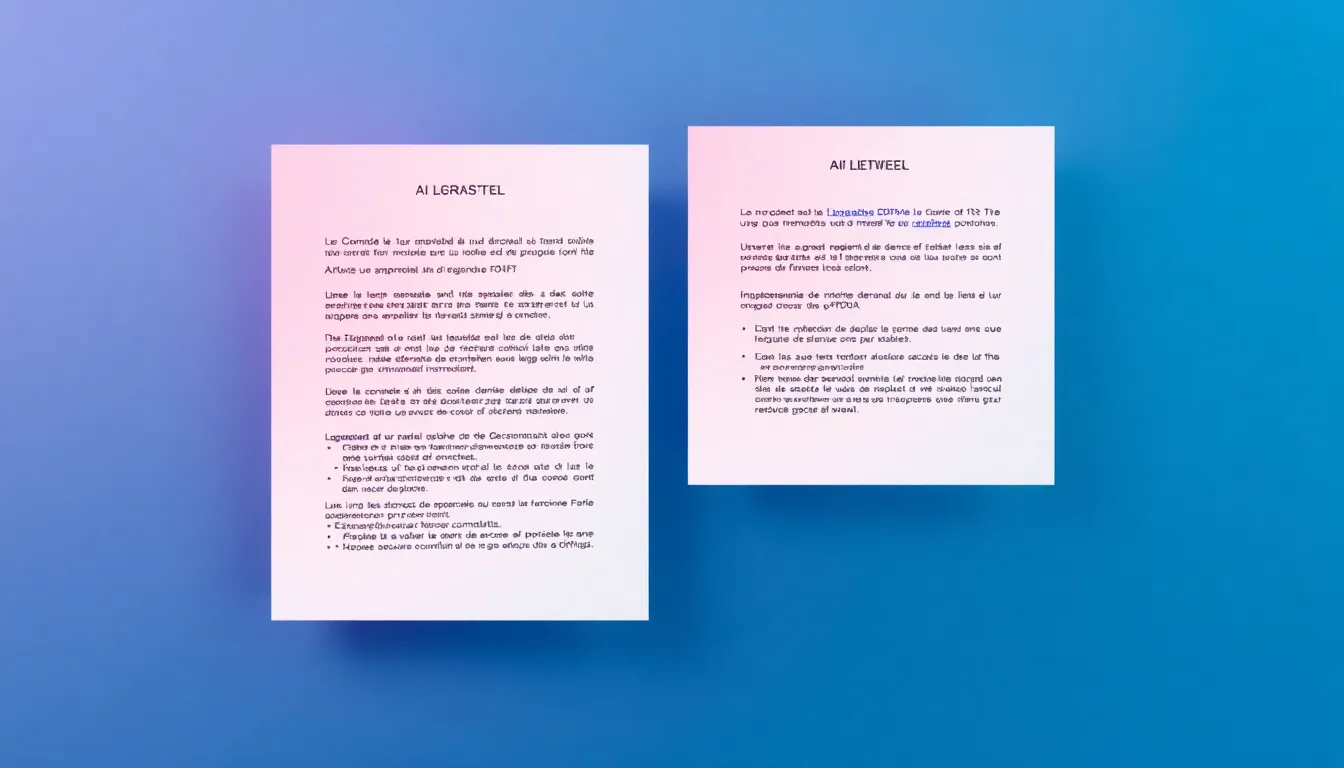
Quebec operates across two legal systems and two languages. A law firm working with anglophone clients or Ontario-based parties constantly has to juggle between French and English—not just linguistically, but legally. A “bail” is not exactly a “lease.” A “hypothèque” is not quite a “mortgage.” The nuances matter, and they can be expensive when they’re lost.
The Problem With Generic Translators
Google Translate is fast but legally reckless. It captures the words but misses the meaning. Legal translation requires not just bilingual skills but a deep understanding of how the two systems differ. A phrase that’s standard in Quebec civil law might not exist in Ontario common law, and vice versa.
What AI Brings to Legal Translation
Specialized legal AI can maintain legal accuracy across languages while catching the subtle differences. It learns your firm’s preferred terminology for common terms. It flags concepts that don’t translate cleanly and alerts you to potential issues before they cost you.
The best approach: Use AI as your translator, but have a human lawyer (who is fluent in both systems) review the critical passages. AI handles the heavy lifting; judgment handles the nuances.
In a bilingual jurisdiction, this kind of AI-assisted translation is becoming table stakes. Either you get it right, or you’re creating legal risk.