AI and Artists: Is War Inevitable?
No, it’s not a survival question
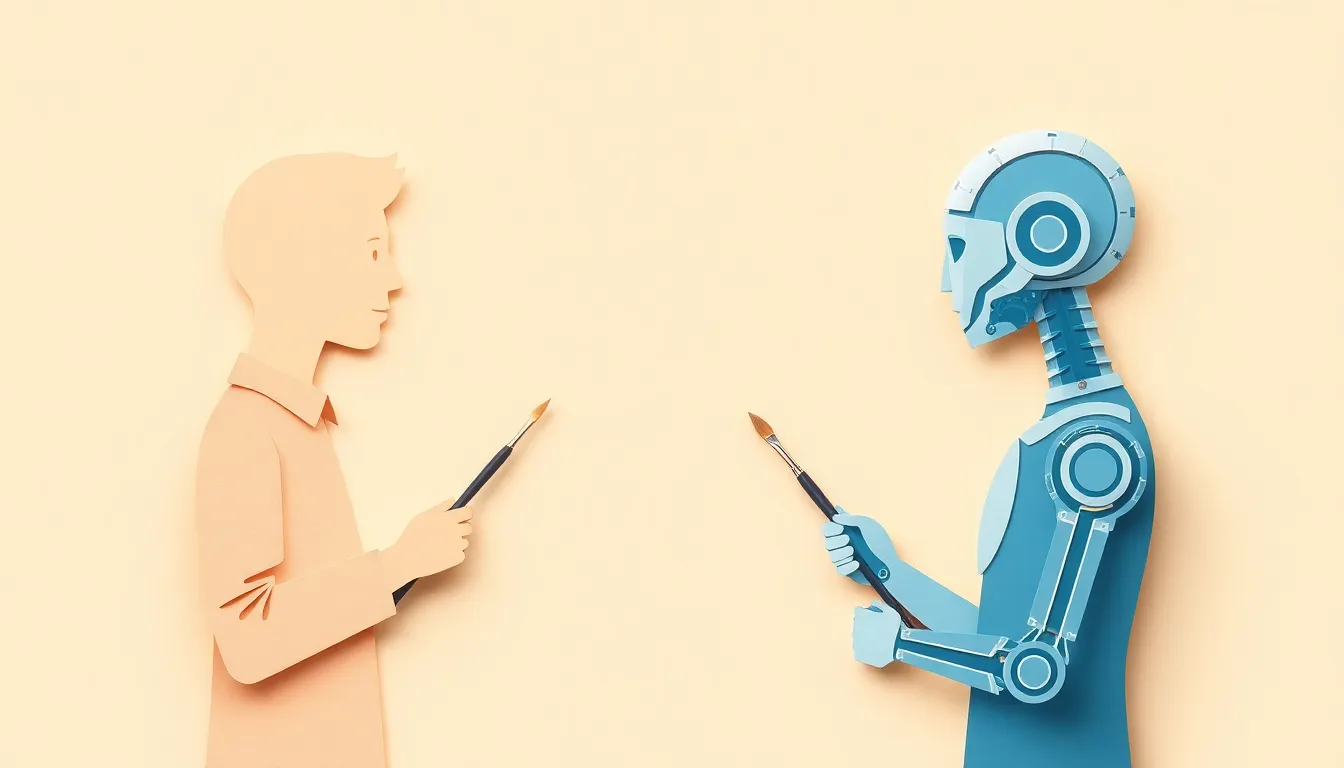
When you hear about AI and art, you probably think about machines “stealing” artists’ work. It’s a dramatic scenario, but honestly? That’s not what’s happening. It’s more nuanced than that.
Think about the invention of photography. Painters thought it was the end. Critics screamed apocalypse. And yet, painting didn’t disappear. It transformed. Artists explored territories that photography couldn’t touch: abstraction, expressionism, things only a human could imagine.
AI isn’t creative in the same way
Here’s the secret: AI generates images through statistics. It looks at millions of images, finds patterns, and creates new ones based on those patterns. It’s incredibly sophisticated, but it’s not creativity in the human sense.
An artist creates because they have something to say. They have a vision, an emotion, a stance on the world. They draw from experience, encounters, pain. AI? It generates statistical variability. Powerful, but not the same thing.
Imagine cooking. An AI-generated recipe might combine ingredients in “logically” new ways. But it would never move a grandmother to tears by reminding her of her childhood. Emotional memory is human.
The real tension: data and revenue
The real problem? It’s not that AI “creates better.” It’s that AI systems were trained on millions of artists’ images without consent or compensation. It’s a question of respect and economics, not creative competition.
And yes, companies are looking to replace artists to save money. That’s not new — it’s what capitalist economics has always done. But it’s a problem we need to solve together: clear copyright, fair licensing, equitable compensation.
What it could become
The question isn’t “is war inevitable?” but rather “how do we build a future that works for everyone?”
Some artists are already using AI as a tool. Not to replace their creativity, but to speed up certain steps or explore new possibilities. Just like Photoshop did in its time.
If you want to explore how AI affects different fields and navigate these questions more deeply, try Sherpa (free) or dive into the research at Laeka Research. The real conversation is just getting started.