AI and Payroll: Full Automation or Partial Assistance?
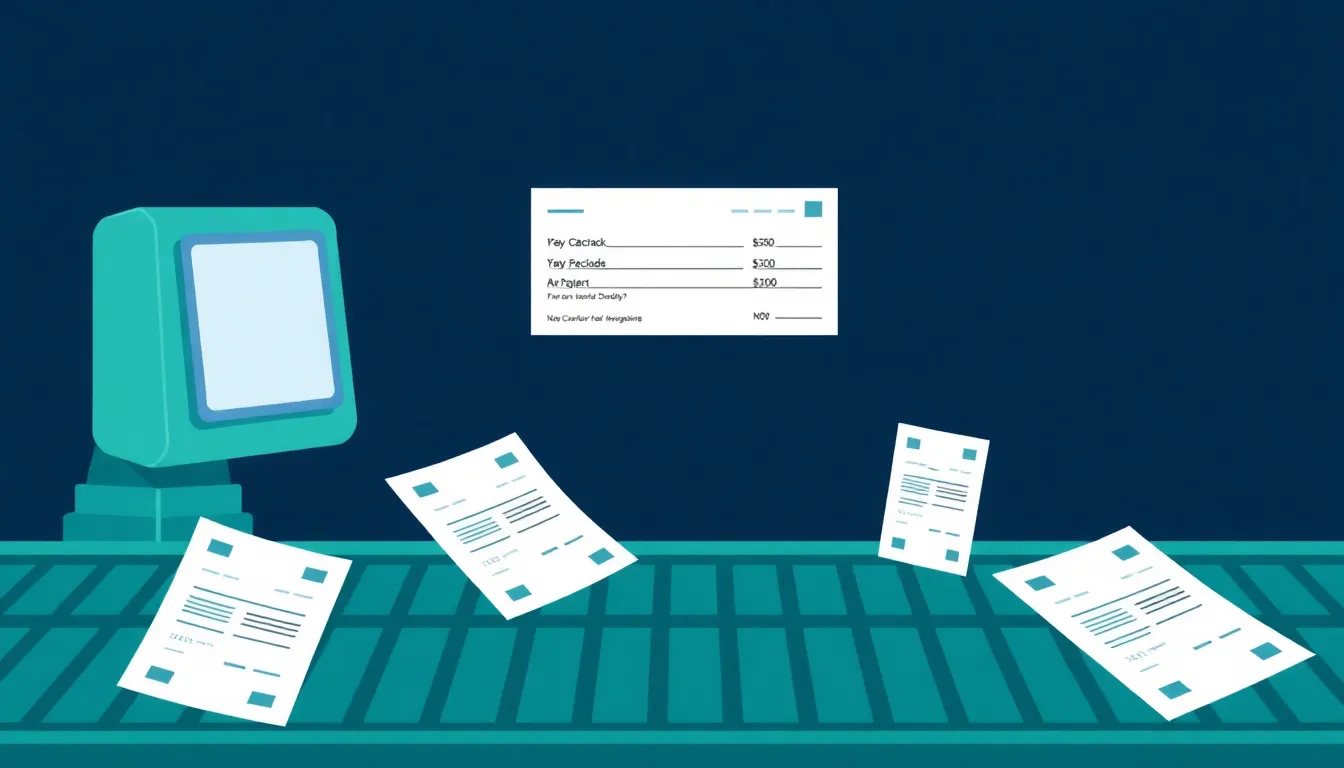
Payroll processing is a critical process where errors are costly — in money, penalties, and trust. AI can automate much of the process, but the question of how far to automate deserves a nuanced answer.
What AI can automate completely
Calculating hours and compensation. From timesheets (electronic or digitized), AI calculates regular hours, overtime, bonuses, and adjustments. For salaried employees, it applies the rates in effect. For variable schedules, it extracts data from timekeeping systems.
Source deductions. AI applies current federal and provincial deduction tables, calculates CPP contributions, employment insurance, PPPP, and all other mandatory deductions. It also manages annual maximums and mid-year adjustments.
Reports and forms. Generating pay stubs, T4 slips, T4As, and all associated forms can be fully automated.
What AI can assist but not replace
Special cases. An employee taking parental leave. A seasonal worker with special conditions. An executive with complex compensation including stock purchase options. These situations require human judgment to ensure proper handling.
Regulatory compliance. Quebec labor standards, collective agreements, special arrangements — AI can verify compliance with standard rules, but atypical cases require human validation.
Final validation. Before each payroll cycle, a professional must validate the results. AI facilitates this validation by flagging unusual variations, but responsibility remains human.
The optimal hybrid model
The best model is a process where AI does 90% of the work and the professional validates 100% of the result. Concretely, AI processes the complete payroll, identifies cases requiring special attention, and presents a validation report to the technician. The technician verifies the flagged points, validates the results, and approves processing.
Processing time drops from several hours to 30-45 minutes for validation. Quality increases because AI makes no calculation errors and the professional can focus attention on complex cases.
The benefits for a firm
A firm managing payroll for 20 clients averaging 15 employees processes 300 paychecks per cycle. Manually, that’s 20 to 30 hours per bi-weekly cycle. With AI, it’s 4 to 6 hours — mostly validation. Over a year, the gain is 400 to 600 hours.
Integration with your tools
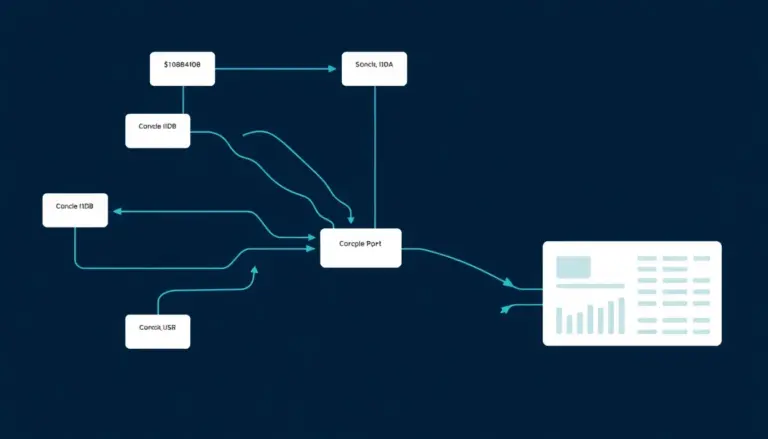
Payroll AI integrates with your existing software — whether Nethris, Desjardins, ADP, or another. Data is exchanged automatically, eliminating double entry and transcription error risks.
Optimize your payroll service
At Laeka, we develop payroll automation solutions adapted to Quebec’s reality. Labor standards, provincial tax, local integrations — everything is covered.
Book your 30-minute discovery call to assess the automation potential of your payroll service. → laeka.org/services