AI and Bookkeeping: From Chore to Automation
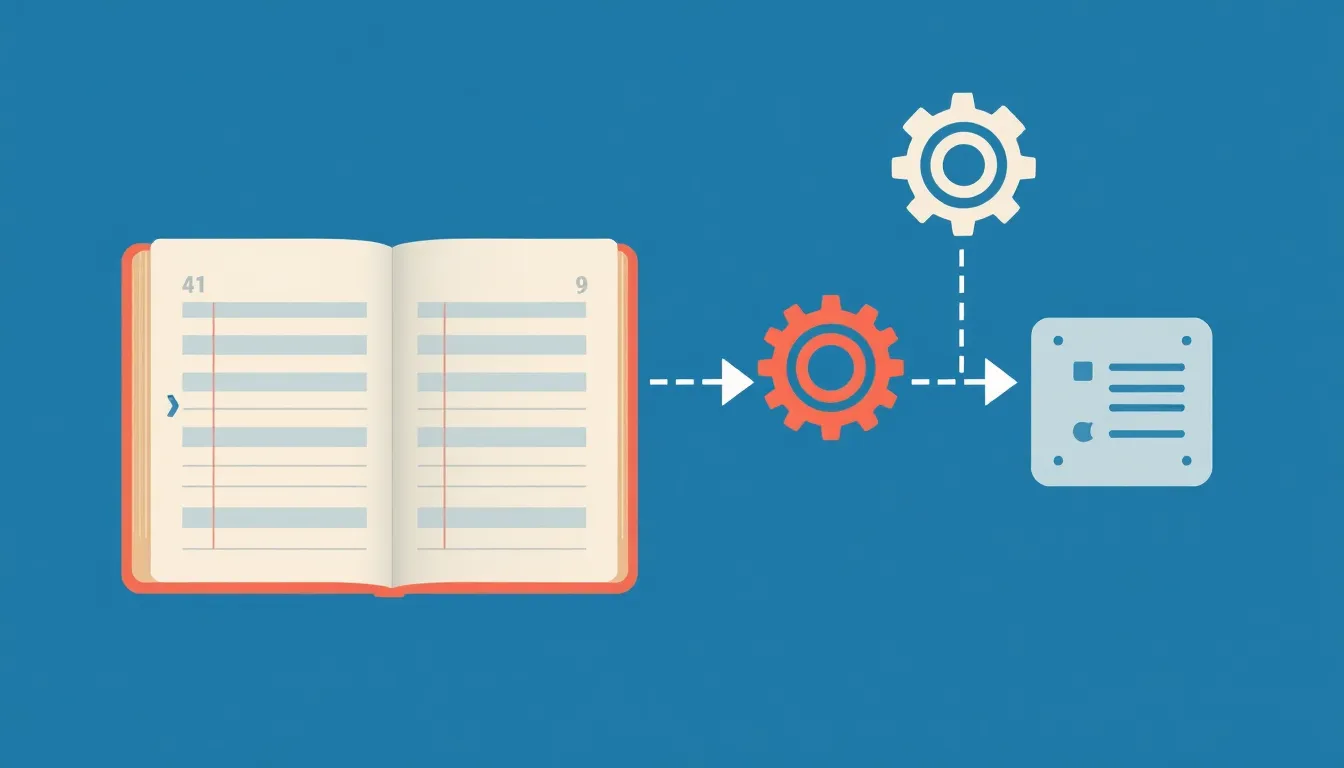
Bookkeeping is the daily bread—and recurring nightmare—of many accounting firms. It’s essential work but rarely engaging: categorizing transactions, reconciling accounts, correcting entries, month after month. It’s also the process most mature for AI automation.
The Current State: Lots of Time, Little Perceived Value
For a firm managing the bookkeeping of 40 small business clients, that’s typically 200 to 300 hours per month. It’s work that must be done, but it doesn’t drive relationships, doesn’t justify premium fees, doesn’t build your firm’s reputation. It’s the work that makes partners weary and junior staff restless.
What AI Automates
AI systems now categorize transactions with 95%+ accuracy. You upload a bank feed or receipt scan, and the AI places it in the right category. It recognizes recurring transactions and learns patterns. It flags unusual entries for review. For a typical month, AI might handle 80-90% of categorization work automatically.
Bank reconciliation is similar: AI matches transactions, flags differences, suggests corrections. You review and approve instead of building the reconciliation from scratch.
The Numbers
Clients take 60 hours of work per month down to 15 hours. Time is freed. Quality improves (fewer mistakes). Clients get their reports faster. Junior staff move to higher-value work—analyzing variances, discussing strategy, problem-solving. Partners spend less time on supervision and more on client relationships.
The Implementation Reality
Tools like Receipt Bank, Dext, and similar platforms have been doing this for years. What’s new: they’re better, faster, and cheaper. The barrier now isn’t technology—it’s change management. Getting clients to adopt the tools, training your team, adjusting workflows. But the ROI justifies the effort.