How to Talk to AI to Get Better Answers (Prompt Engineering for Beginners)
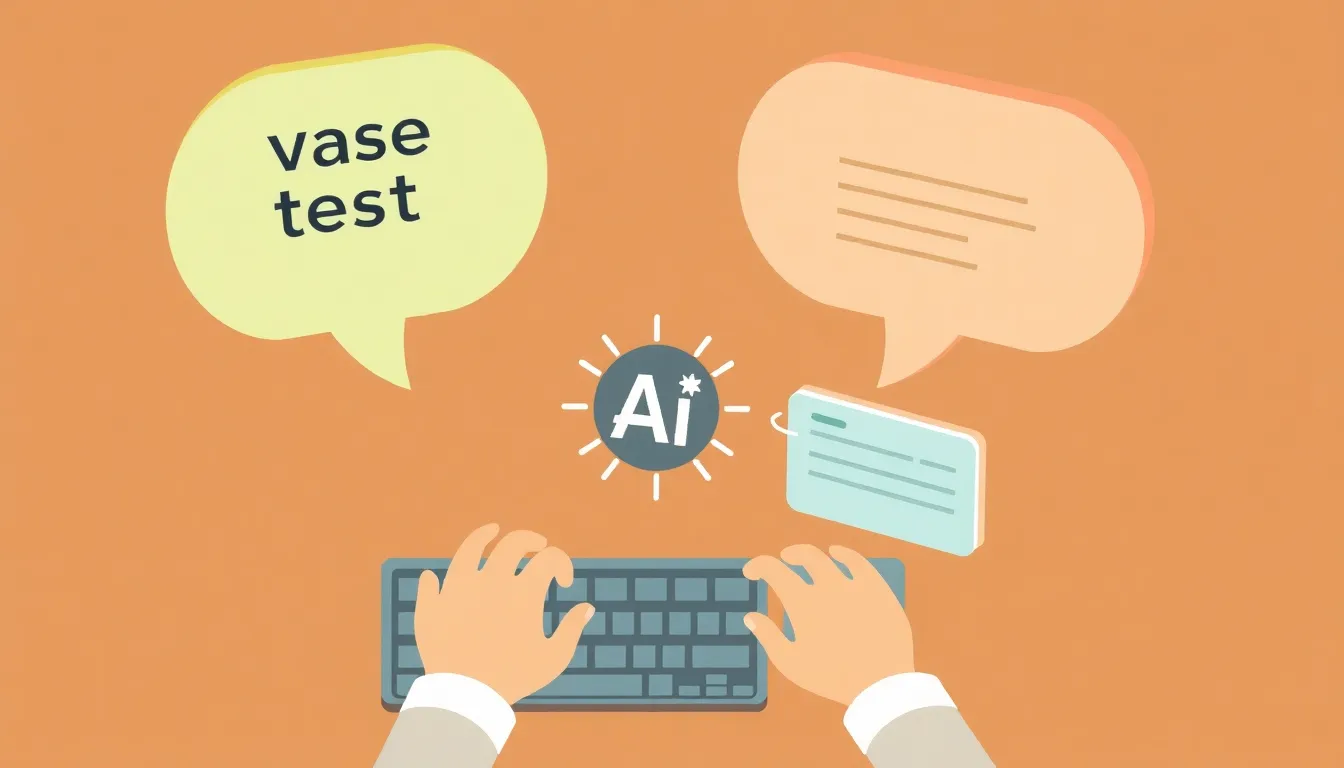
Have you ever asked ChatGPT a question and gotten a flat, vague, or completely off-topic answer? The problem is probably not the AI—it’s how you talked to it. Welcome to the world of prompt engineering, beginner edition.
What’s a Prompt?
A prompt is simply the command or question you give to AI. “Write me some text” is a prompt. “Write me 300 words about the benefits of composting for a blog aimed at Quebec families” is a better prompt. The second one is more specific.
The Four Rules of Better Prompts
Rule 1: Be Specific. Instead of “Explain marketing,” try “Explain the difference between organic social media growth and paid ads in 100 words for someone who’s never done digital marketing.”
Rule 2: Give Context. “Write me a bio” is vague. “Write me a 150-word bio for a LinkedIn profile. I’m a bookkeeper in Quebec who specializes in small e-commerce businesses and uses AI to automate tax filing. I’m friendly and approachable” gives the AI real information to work with.
Rule 3: Specify Format. Do you want bullet points, paragraphs, a table, or code? Say it. “Give me a numbered list of 10 questions I should ask a client about their business expenses.”
Rule 4: Set the Tone. Do you want professional, casual, funny, formal? “Write a casual email to a client explaining why we need their receipt scans—make it friendly, not pushy.”
The Difference It Makes
Vague prompt: “What’s tax planning?”
Better prompt: “Explain tax planning to a small business owner who’s made $100,000 in profit this year and doesn’t know where to start. Use simple language and include three concrete examples.”
Same AI. Completely different output.