ChatGPT and Your Clients’ Tax Data: The Silent Danger
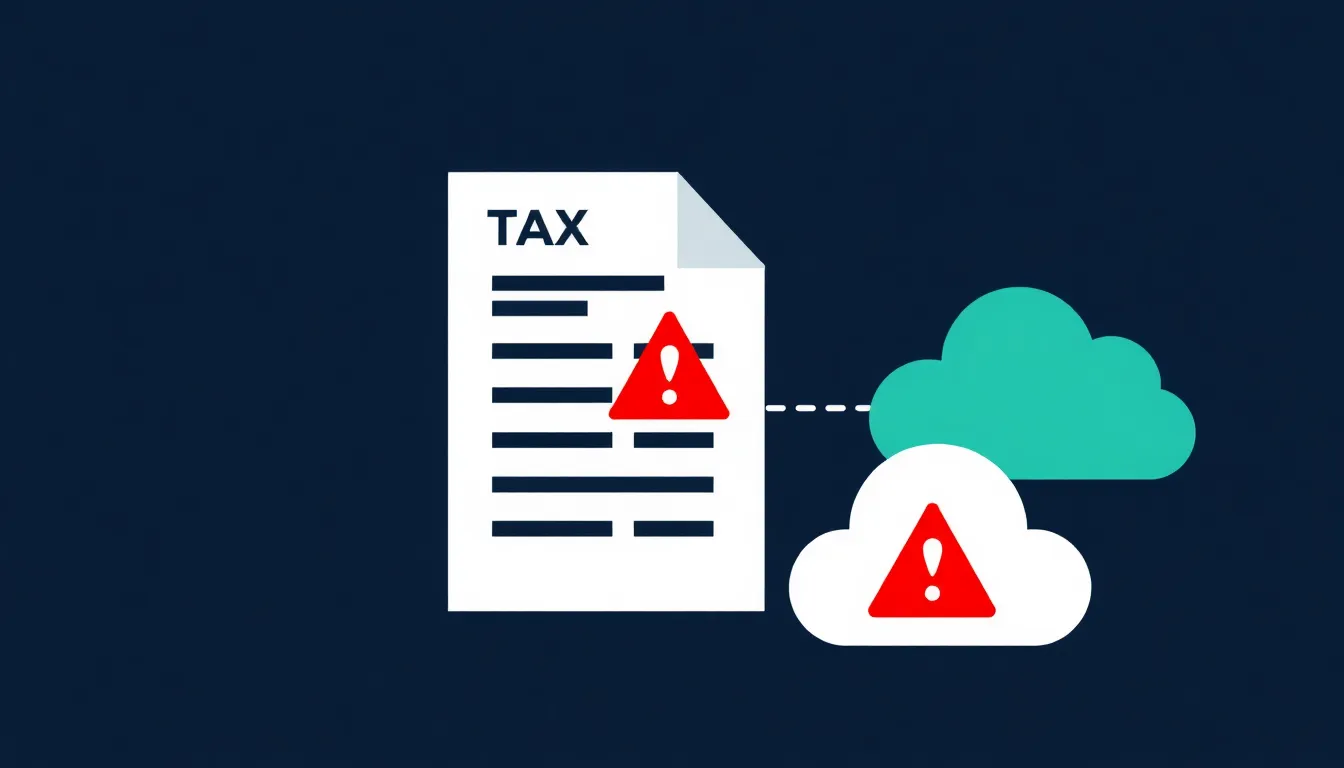
Your accounting technician just copied your client’s tax data into ChatGPT to verify a calculation. It’s fast, it’s convenient — and it’s potentially a disaster for data protection.
Why This Happens (And Why It’s So Risky)
ChatGPT is convenient. It’s fast. And it works. Your team uses it to verify a formula, ask about tax rules, or get a second opinion. But each time you paste your client’s data into ChatGPT, you’re sending it to OpenAI’s servers. OpenAI trains its models on the data you send. Your client’s confidential information becomes training material.
Is it technically illegal? The legal waters are murky. But your client agreement probably says you’ll keep their information confidential and secure. Uploading it to a public AI service definitely violates that.
The Regulatory Pressure is Growing
Quebec’s CNIL (Commission Nationale de l’Informatique et des Libertés) and other regulators are increasingly scrutinizing how professionals handle data. Using public AI tools for client data is a red flag. A few investigations have already started in other provinces.
If an audit discovers this practice, the consequences aren’t just legal — they’re reputational. “Your accountant shared your tax information with a US tech company.” That’s not a conversation your clients want to have.
The Alternative: Private AI You Control
There’s a better way. Use AI tools designed for professionals where your data stays within your firm. These are systems that:
- Never send client data to external servers
- Train on your own documents only, not on public data
- Integrate seamlessly with your accounting software
- Are designed specifically for accounting and tax work
These solutions exist and are becoming more affordable. They do what ChatGPT does — answer questions, verify calculations, summarize documents — but without the data protection nightmare.
What Should You Tell Your Team?
First, audit how they’re currently using ChatGPT or other public AI tools. Do they know they shouldn’t be pasting client data? Probably not. It feels convenient and safe because the interface is so professional.
Then, give them an alternative. If you just tell them “don’t use ChatGPT with client data” without providing a better tool, they’ll keep doing it anyway. They need a solution that’s just as easy to use — but that keeps data safe.
The Bottom Line
The era of using public AI for confidential work is ending. Regulations will tighten. Clients will demand better. Firms that have already moved to secure, private AI tools will have a competitive advantage — and peace of mind.
Is your team using public AI tools for client data? It might be time to have that conversation. → Laeka offers secure AI solutions