AI and Copyright: The Wild West
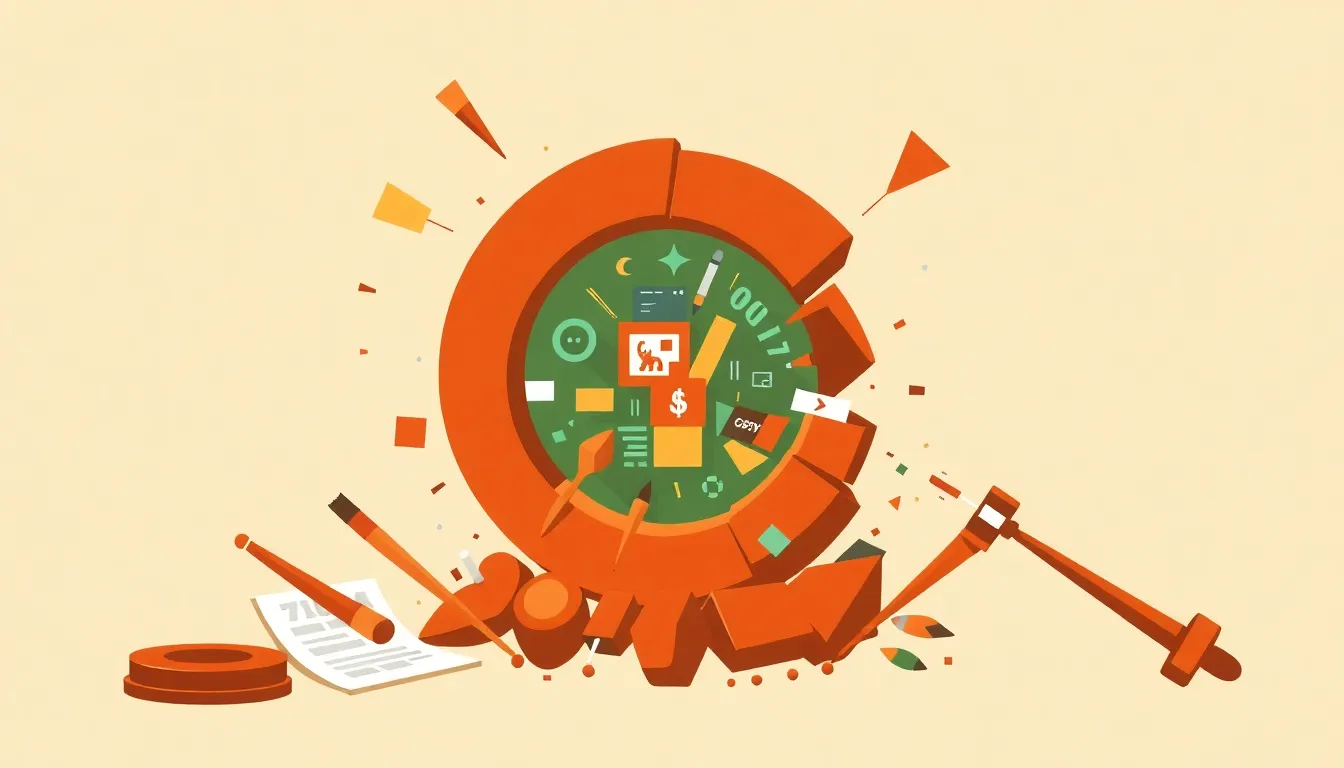
Who owns an image created by AI? The user who wrote the prompt? The company that created the AI? The artists whose work was used to train it? Good question — nobody really knows yet. Welcome to the copyright wild west.
The Training Problem
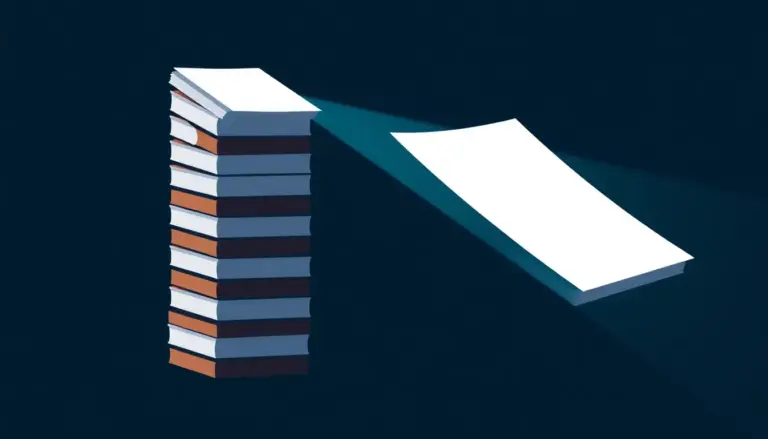
To learn how to generate images, AI studied billions of images found on the internet — often without asking permission from the artists. Illustrators, photographers, and digital artists are now discovering their work was used to train the very tools that might make them obsolete.
This isn’t theoretical. Class-action lawsuits are underway in the US (Getty Images vs. Stability AI, among others). The basic claim: artists’ work was used without consent to create a product that directly competes with artists.
And Canada hasn’t settled this yet either.
The Question of Ownership
If you generate an image using DALL-E or Midjourney, who owns it?
According to most AI companies’ terms of service, you own the output. But you don’t own the copyright to the underlying artistic work that was combined to create it. It’s an odd halfway position.
For most creative uses, it’s fine. But if you’re planning to use AI-generated images commercially, or as the basis for further creative work, you should understand the liability.
The Legal Timeline
In the next 2-3 years, expect court decisions and legislation that clarifies this. The European Union is already moving forward with regulations. Canada is drafting copyright reforms. The US is litigating.
The most likely outcome: AI companies will need to compensate artists for training data used, or limit their training to licensed or public-domain work. That will increase costs for AI tools — but it will also make them legally defensible.
What This Means for You
If you’re a lawyer using AI to generate contract templates or legal documents, you’re probably fine — the output is derivative work based on legal principles, not creative work.
If you’re a design firm using AI-generated images for client work, get explicit permission from your client that they understand the copyright uncertainty. Don’t assume you’re covered.
If you’re relying on AI-generated content for revenue, understand that this is an unsettled area of law. A court decision next year could change everything.