AI-Powered Dental Treatment Plans: Precision and Efficiency
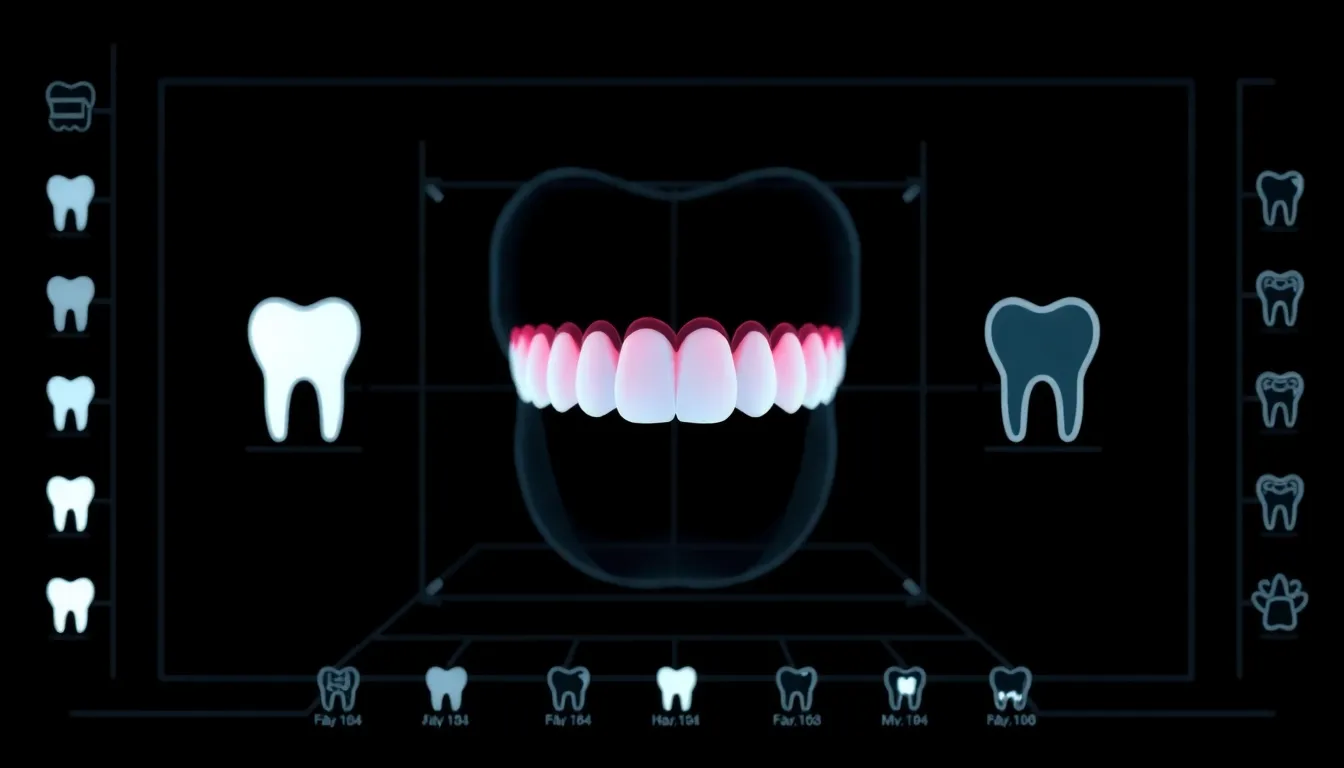
A dental patient with multiple cavities, mild malocclusion, and periodontal disease can receive 5-10 different treatment plans depending on the practitioner. Each approach has its advantages:
- Conservative treatment (low cost, variable results)
- Aggressive treatment (better aesthetic results, high cost)
- Modulated treatment (progressive phases, adapted to budget)
The problem: building an optimized plan takes 20-45 minutes per patient, especially for complex cases (implant surgery, combined orthodontics).
AI for intelligent dental planning
Dental AI systems analyze:
- Radiographs (automatic cephalometry): asymmetry detection, bone potential evaluation
- Intra/extraoral photographs: smile line analysis, facial proportions
- 3D models: preoperative implant guide, orthodontic simulation
- Patient dental history: previous management, treatment interruptions, allergic reactions
- Risk factors: diabetes, osteoporosis, bruxism, poor hygiene
- Patient preferences: budget, aesthetic vs functional priorities
Result: automatic generation of 2-3 personalized treatment plans in 3-5 minutes, with detailed costs and timeline for each option.
Real case: Group practice in Sherbrooke
A dental practice (6 practitioners, 45 patients/week) integrated AI for planning. Results in 4 months:
- -30 minutes/patient of clinical planning time (from 40 min to 10 min)
- +45% treatment acceptance (patients see 2-3 clear options with costs)
- +$8,000/month in revenue (more patients treated, better accepted plans)
- -15% mid-treatment abandonment (patients better informed from the start)
- +25% patient satisfaction (transparency, personalized options)
- Diagnostic consistency: all practitioners in the practice generate similar plans
Impact on patient presentation
AI generates a professional document including:
- Plan 1 (Minimal): essential treatment, low cost
- Plan 2 (Balanced): recommended treatment, optimal cost-benefit ratio
- Plan 3 (Optimal): ideal aesthetic/functional result, high cost
Each plan includes:
- Precise description of steps (treatment sequence)
- Estimated timeline (number of appointments, total duration)
- Detailed cost (materials, lab work, fees)
- Guarantees and risks (what can happen if the patient doesn’t follow the plan)
- 3D before/after visualization (CAD model of the final dentition)
Compliance and dental regulation
In Quebec, AI for dentistry must comply with:
- Ordre des dentistes du Québec: the dentist remains responsible for diagnosis and plan
- Law 25: radiographs and photographs are sensitive data (storage in Canada)
- Informed consent: the patient must understand options before choosing
AI assists the dentist — it doesn’t replace them.
Economic impact
For a 6-dentist practice (200 new patients/year):
- Current cost (manual planning): ~$24,000/year (practitioner time)
- Cost of AI solution: ~$4,000-$6,000/year
- Direct savings: ~$18,000-$20,000/year
- Indirect gains: +20-30 accepted treatments = +$40,000-$60,000/year
Improve your dental planning
If treatment planning takes too much time or you want to offer patients better visualization of their options, AI is a proven solution in modern dental practices.
Book your free 30-minute discovery call to explore how AI can accelerate your planning, increase treatment acceptance, and improve patient satisfaction.