The Intelligent Medical Record: AI That Reads Between the Lines

A physician spends an average of 20 minutes per patient navigating their electronic health record. Fragmented across clinical notes, lab results, old scans, and follow-up messages, the modern record is bureaucratic chaos.
AI for the intelligent medical record organizes, synthesizes, and anticipates. It reads what your team doesn’t have time to read.
The problem: information explosion
A patient at a GMF in Laval had accumulated 847 pages of records over 15 years. Poorly digitized handwritten notes, duplicates, gaps — the patient’s entire history was there, but inaccessible during consultation.
The hidden costs:
- Time lost: 3-4 hours per physician/day searching for information
- Medical errors: missed drug interactions, forgotten medical history
- Litigation: insufficient evidence in case of incident
- Burnout: administrative = 40% of work, care = 40%
The solution: an AI record that synthesizes
An intelligent system reads the entire record and provides:
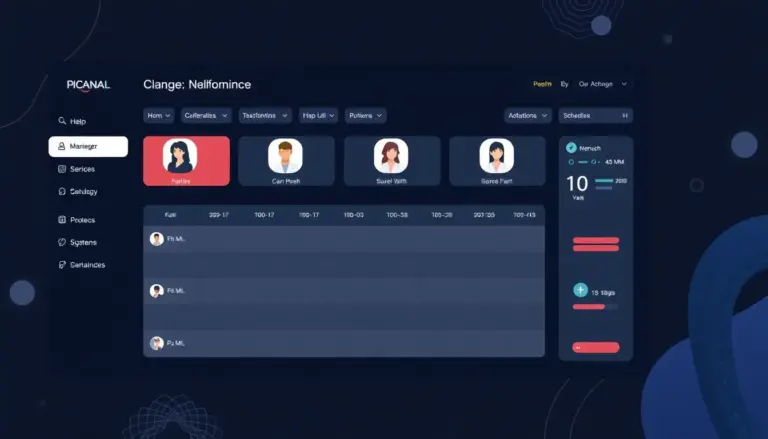
1. Instant summary view
Instead of digging through 100 pages, the physician gets a structured summary:
- Active medical history: conditions, allergies, risk factors
- Current treatments: dose, duration, observed efficacy
- Recent relevant results: lab, imaging
- Trends: deterioration/improvement of clinical profile
2. Intelligent alerts
AI proactively detects:
- Dangerous drug interactions
- Contraindications
- Missing screenings (mammography, colonoscopy)
- Absent follow-up after diagnosis
3. Hidden context analysis
AI extracts weak signals:
- “Patient mentions fatigue in 5 notes” → possible sleep apnea, anemia
- “ER visits increasing” → chronic decompensation
- “Implicit non-adherence” → AI detects patterns
Concrete case: clinic in Montreal
A small 8-physician clinic integrated an intelligent AI record:
- Before: 2h40 of paperwork per day/physician
- After: 45 minutes (-70%)
- Gain: ~2 hours/day for patient care
- Medical errors detected: 12 missed interactions in 3 months (would have been costly)
Compliance and security
AI must meet healthcare sector standards:
- Law 25: anonymization and consent respected
- Data stored in Canada: no American cloud without agreement
- Complete audit trail: who requested what, when
- Explainability: AI justifies its alerts (medico-legal traceability)
Impact on clinical quality
Beyond productivity:
- +25% early diagnosis of complications (according to Canadian studies)
- -18% avoidable readmissions
- +40% physician satisfaction (less stress)
Progressive implementation
No need to replace everything at once:
- Phase 1 (1 month): AI synthesizes complex records (chronic patients)
- Phase 2 (2 months): medical safety alerts activated
- Phase 3 (3 months): risk predictions for prevention
- Phase 4: integration with regional exchanges (MSP)
Total timeline: 4-6 months to full adoption.
The real power
This isn’t just a search tool. It’s a colleague that:
- Knows the patient’s complete history
- Sees patterns you missed
- Frees you up for human listening
Book your 30-minute discovery call to see how the intelligent record can transform your workflow. Book now.