AI for Phone Triage: Unclog Your Phone Lines

Your clinic or GMF receives hundreds of calls every day. Patients wait, your receptionists are overwhelmed, and priority calls get lost in the chaos. AI for phone triage transforms this chaos into organized flow.
The problem: manual triage = bottlenecks
A clinic in Longueuil recently told us: “We lose 30% of our calls every day. Our receptionists can’t keep up, and urgent patients sometimes wait 45 minutes.” This scenario is universal.
Traditional phone triage requires:
- Constant listening from staff
- Instant decisions under pressure
- Manual and imprecise classification of emergencies
- Lost or misrouted calls
Result: overload, errors, and frustrated patients.
The solution: AI that triages 24/7
An intelligent AI triage system analyzes calls in real time:
- Voice recognition and context understanding: AI identifies the reason (medical emergency, appointment booking, prescription renewal)
- Automatic classification: red, orange, or green urgency
- Intelligent routing: critical calls to the on-call physician, appointments to the schedule, administrative questions to the receptionist
- 24/7 availability: no time limits, zero overload
A GMF in Quebec City deployed this system and observes:
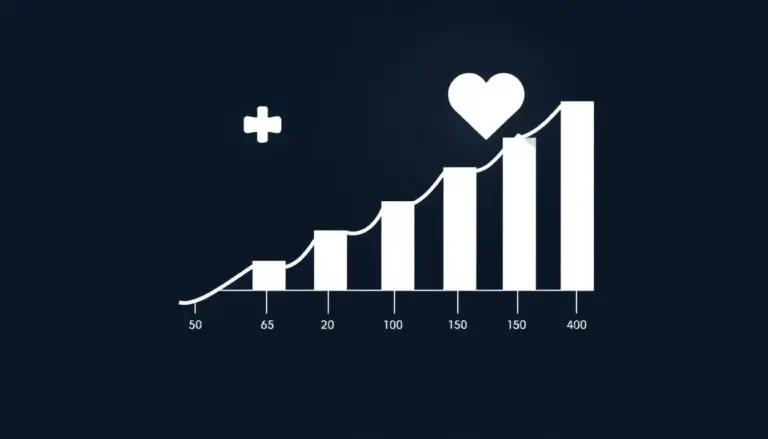
- +40% of calls handled without human intervention
- -50% average wait time
- +15% patient satisfaction
Compliance and sensitive data
AI must comply with Quebec’s Law 25 on data protection. Responsible systems:
- Encrypt conversations
- Store data locally (Canada)
- Delete recordings after analysis
- Request explicit consent for recording
Real financial impact
Let’s calculate the ROI for a 15-practitioner clinic:
- Annual AI system cost: ~$8,000 CAD
- Productivity gain (0.5 FTE receptionist): ~$28,000 CAD
- ROI: +250% in year 1
- Bonus: fewer triage errors = fewer claims
Pragmatic implementation
Implementation doesn’t require upheaval:
- Integration with your existing phone system
- Team training on AI reports (3 days)
- Pilot phase over 1-2 months
- Full deployment
Typical timeline: 6-8 weeks from signing to “go live.”
And the patients?
Patients appreciate:
- Immediate responses (no waiting)
- Clarity on the priority of their case
- A human available for complex cases
AI doesn’t replace human contact — it frees it up for the real issues.
Next steps
If you manage a clinic, a GMF, or a health network, AI triage is no longer a luxury option — it’s an operational necessity.
Book your 30-minute discovery call and explore how you could reduce your phone overload starting tomorrow. Book now.