What 50 Years in Tech Taught Me About AI

The patterns repeat
I’ve watched the internet, personal computers, smartphones, social media come and go. And honestly? AI is exactly the same pattern as everything else.
It arrives with incredible promises: “it’s going to change the world!” It creates enormous buzz. People believe. People panic. And then… reality is more nuanced than the promise or the panic.
The secret you learn in 50 years? Neither the techno-optimists nor the tech-pessimists are right. It’s more complicated than that.
Lesson 1: The promises are always exaggerated
In 1995, they said the internet would make everything transparent and democratic. It helped. But it also created information bubbles and gave enormous power to a few companies.
With smartphones: “you’ll have access to all the world’s information in your pocket.” True. But also: you’ll be addicted to your phone and a company will track you constantly.
AI now: “it’ll make people super productive.” Probably. But it’ll also eliminate certain jobs and concentrate power further.
The lesson: take the promises with a grain of salt. Reality is always more complex.
Lesson 2: The social impact arrives 10 years later
The internet? Technically available in 1980. But the social impact (Facebook, YouTube, Twitter) came in 2005+.
We didn’t understand the surveillance problems until 10 years later. The polarization problems another 10 years after that.
AI? We’ll probably learn the real problems in 2030-2035. Not now.
That means: if you think we truly understand AI’s impact now, you’re wrong.
Lesson 3: The real problems aren’t technological
The internet wasn’t the problem. The problem was how companies used it to surveil people.
Smartphones weren’t the problem. The problem was how platforms used them to create addiction.
AI isn’t the problem. The problem is how humans will use it. Will we make it accessible and equitable? Or concentrate power even more?
The technology itself? That’s a question of neutrality. The usage? That’s a question of power.
Lesson 4: People love progress but hate change
Paradoxical, but true. People want a better future. But they don’t want to change their lives now.
AI will create progress. But also create change, which will hurt some people. And it’s true that it’s hard for those people.
The solution? It’s not “ignore the technology.” It’s “build social systems that help people adapt.” Training. Support. Economic safety net.
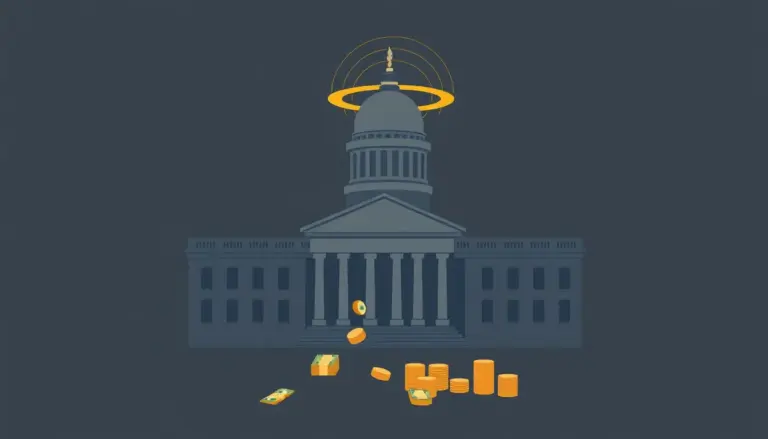
Lesson 5: Regulation is inevitable, but it always arrives too late
We knew Facebook was a problem in 2010. The regulation? 2018+. By then, the damage was done.
AI? There are already calls for regulation. It’ll probably come in 2028 or 2030. And it’ll be reactive, not proactive.
It’s not that governments are stupid. It’s that tech moves faster than bureaucracy.
So, what does this mean for you?
First: be skeptical of hype. AI isn’t magic. Nor catastrophic. It’s a tool.
Second: focus on usage, not technology. How do we ensure AI helps everyone and not just the rich?
Third: prepare for change. Learn constantly. Be flexible. The next 50 years will be different from the last 50.
Fourth: demand accountability. Not just from governments. From businesses. From your colleagues. From yourself.
And finally: don’t be naive. The guys telling you AI will solve everything? They’re selling something. Stay critical.
What I know after 50 years
Technology gives us tools. What we do with them? That’s our responsibility. Not the machines’. Not the algorithms’.
AI will be a big part of the future. But the future will be what we make of it.
To truly understand what we can do with it, start with Sherpa for the concrete reality, or explore Laeka Research to understand the foundations.
And then make your choice. Informed. Critical. Conscious.
That’s what we’ve done for 50 years. That’s what we’ll keep doing.