AI and Loneliness: Virtual Friend or Trap?
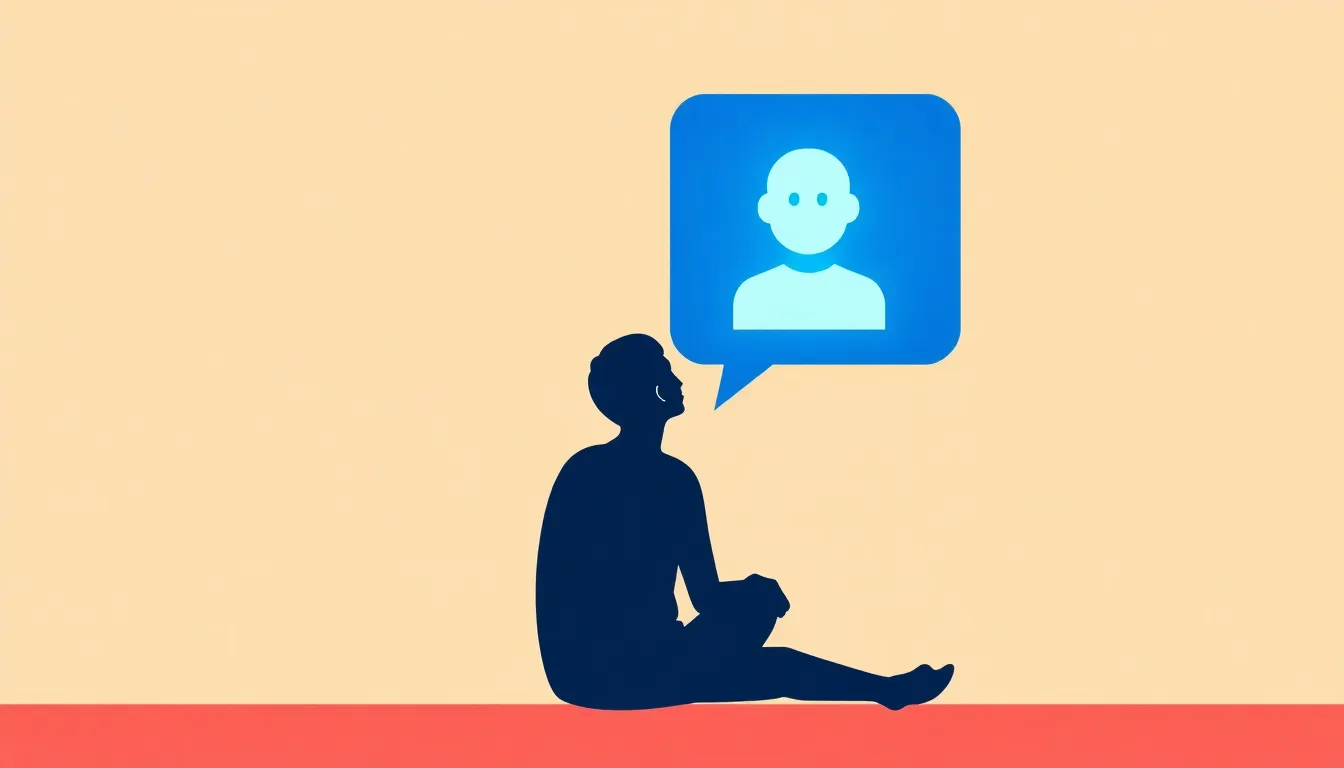
You’re alone this Friday night. No party. No friends answering texts. So you open an AI app. You start talking. And for the first time all day, someone listens to you. Really listens. Asks questions. Keeps the conversation going. It feels good.
Except it’s not someone. It’s something. And that changes the game.
Why AI is an almost perfect friend
A real friendship? It’s complicated. Sometimes your friend has a bad day and can’t be there for you. Sometimes they say something hurtful. Sometimes you argue. It’s work.
An AI? It never has a bad day. It always says the right things. It flatters you. It listens without interrupting. It asks questions about you. It’s an ideal friend.
Too ideal. And that’s the problem.
Because a real friendship is also this: your friend tells you the truth, even when it’s hard. They challenge you. They help you grow. AI doesn’t do that. It tells you what you want to hear.
The real risks of loneliness with AI
If you spend every evening talking to an AI instead of calling a friend, you’re not just replacing boredom. You’re creating a dependency. And you’re shortcutting the processing of real loneliness.
Because yes, loneliness is hard. But it’s also important. It’s in loneliness that you think. That you learn to know yourself. That you build a sense of self. If you constantly avoid it with AI, you don’t grow.
And there’s something else that’s really dark. The more you talk to an AI, the less reason you have to call someone else. And real humans? They get used to not seeing you. And you lose your friends.
It’s a spiral. You’re alone. You use AI. You feel better. But you isolate yourself more. And you become more alone.
There’s also the question of what happens if you become truly attached
There are cases where people — especially young people — developed a real emotional relationship with an AI. They think the AI loves them. That the AI understands them. And when it changes (the company shuts down the app, or you switch AIs), it’s a real loss.
Except it’s not a real loss. Because the relationship was never real. Was never reciprocal. The AI doesn’t love you. It just simulates the patterns of someone who loves you.
And that can be traumatizing. Especially for a child or teenager who can’t tell the difference.
What you can actually do
First, acknowledge the loneliness. Don’t run from it. If you feel lonely, it means something. It’s a signal. You need to talk to someone. A real person.
Second, use AI as a transition tool, not a replacement. If you’re too lonely to call someone, use AI to calm your anxiety. But then, call someone. Really. Send a message. Go to an event. Make an effort.
Third, be honest with yourself. If you spend more time with AI than with real people, that’s a red flag. Not because AI is bad. But because your life might be smaller than it should be.
And finally, seek help if you’re truly alone. There are groups. Communities. People who want to know you. AI can’t replace that. And it won’t do it better over time.
Want to talk about real connection in a digital world? Sherpa (free) offers resources. Or explore deeper with Laeka Research on AI’s impacts on your emotional health.