Does Ethical AI Exist? What Laeka Is Trying to Do.
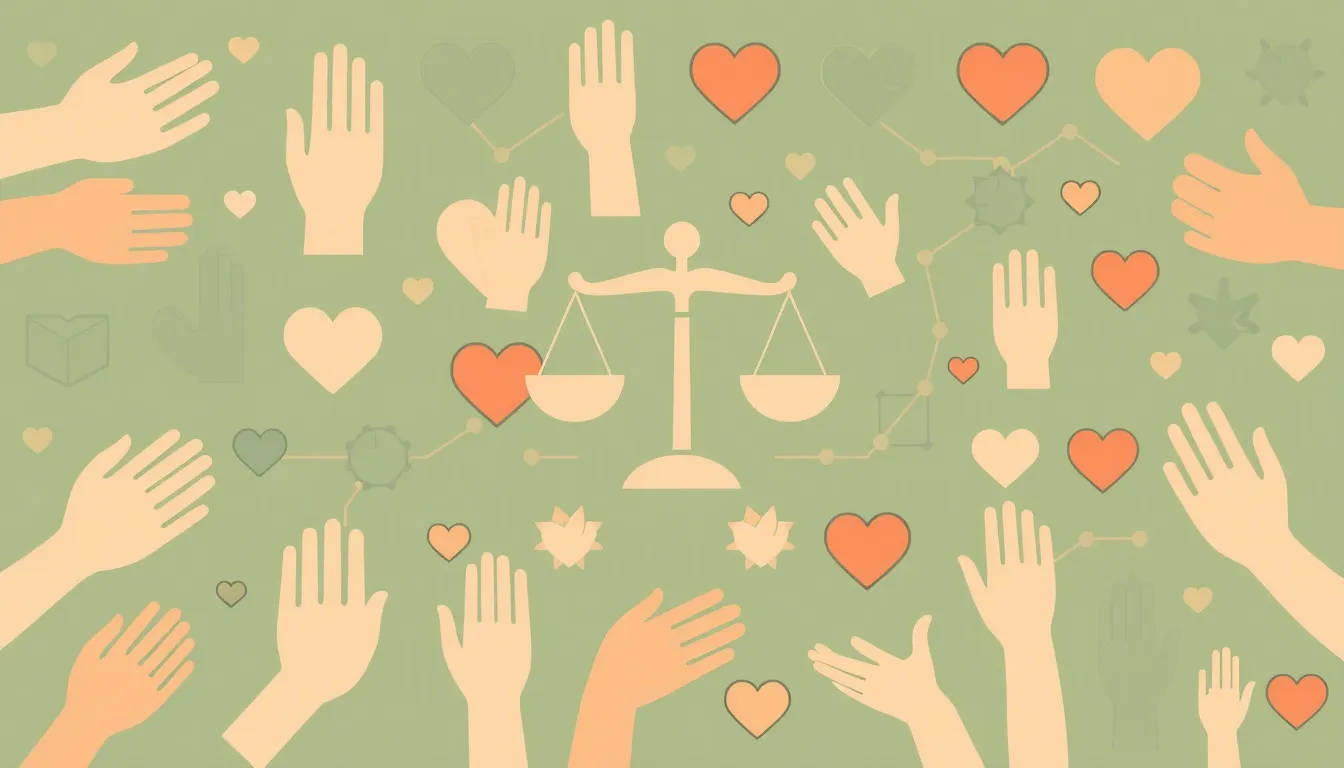
Spoiler: AI ethics is complicated. But it’s not impossible.
When people talk about “ethical AI,” it’s often vague. Like, what is it exactly? Is it AI that refuses to cause harm? AI that explains its decisions? AI that benefits everyone equally?
The answer? A bit of all that. And much more.
Ethical AI is AI designed with intention: to reduce bias, to be transparent, to respect privacy, to benefit more than just the companies that create it.
Why is it so hard?
Ethics is never black and white. It’s like cooking for a table where everyone has a different allergy or preference. You can’t please everyone. But you can try.
Ethical AI is the same. It’s making difficult choices. For example:
Privacy vs utility: If a health AI needs more personal data to diagnose more accurately, is it worth exposing your private medical info?
Equity vs performance: If filtering biases makes AI work less well, is that acceptable?
Transparency vs security: If you explain how a facial recognition system works, you also help criminals bypass it.
There’s no perfect answer. Just trade-offs we must choose consciously.
What Laeka is trying to do
Laeka is an AI research nonprofit. We’re not a company trying to maximize profits. We’re trying to do rigorous research on how AI affects society. And use that knowledge to influence how AI systems are designed.
Concretely, that means:
Transparency: We publish our research. We explain how algorithms work. We make it accessible, not just for researchers, but for regular people like you.
Inclusivity: We try to see impacts on different communities. An AI can be fair for the rich but unfair for the poor. We check both.
Independence: Because we’re not a company, we have no pressure to hide biases in our own technology. We can tell the truth.
Accessible tools: Sherpa, for example, helps you understand how recommendation algorithms affect you. Not to moralize. To inform.
But honestly…
Ethical AI will never be perfect. Because ethics itself isn’t perfect. Humans don’t agree on what’s just. So an algorithm designed by humans based on our conflicting values? It’s never going to be 100% fair.
But that’s not an excuse not to try. It’s like democracy: complicated, frustrating, imperfect. But better than the alternative.
Ethical AI doesn’t exist as a finished thing. It’s a process. It’s constantly questioning, challenging, improving.
If you want to see what this looks like in practice and be part of the process, start with Sherpa to see real algorithms in action. Or dive deeper into Laeka Research to understand the theory. Because real AI ethics won’t come just from researchers, but from people like you who say: “Wait, why does it work like that?”